

Africa Used Trucks Market Research Report: Forecast (2026-2032)
By Truck Type (Light Duty Trucks, Medium Duty Trucks, Heavy Duty Trucks, Tipper Trucks, Tractor Trucks, Pickup Trucks), By By Application (Logistics & Transportation, Construction ... , Mining, Agriculture, Oil & Gas, Municipal Services), By Fuel Type ( Diesel, Gasoline, Electric, Hybrid, CNG/LNG), By Tonnage Capacity (3.5 tons to 7.5 tons, 57.6 tons to 16 tons, Above 16 tons), By Vehicle Age (Less than 3 Years, 3 to 5 Years, 6 to 10 Years, More than 10 Years), By By Sales Channel (Authorized Dealerships, Independent Dealers, Online Platforms, Direct Owner Sales, Auctions, Certified Pre-Owned(CPO)), and others Read more
- Automotive
- Jun 2026
- Pages 220
- Report Format: PDF, Excel, PPT
Africa Used Trucks Market
Projected 7.53% CAGR from 2026 to 2032
Study Period
2026-2032
Market Size (2026)
USD 12.11 Billion
Market Size (2032)
USD 18.72 Billion
Base Year
2025
Projected CAGR
7.53%
Leading Segments
By Tonnage Type: 3.5 Tons to 7.5 Tons
Africa Used Truck Market Key Takeaways
- Africa Used Truck Market size was valued at USD 11.55 billion in 2025 and projected to grow from USD 12.11 billion in 2026 to USD 18.72 billion by 2032.
- The industry is projected to register sustained growth at a CAGR of 7.53% during 2026-2032.
- South Africa holds the largest market share nearly 30% supported by, expanding freight transportation, construction activity, and strong dependence on imported commercial vehicles.
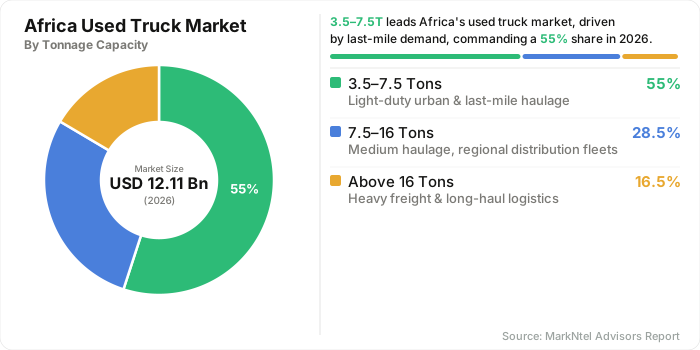
- 3.5–7.5 tons leads the market demand nearly 55% owing to their extensive utilization in urban logistics, retail distribution, and SME transportation operations.
- Logistics and transportation represent the leading application segment in the africa used truck market, accounting for nearly 60% share.
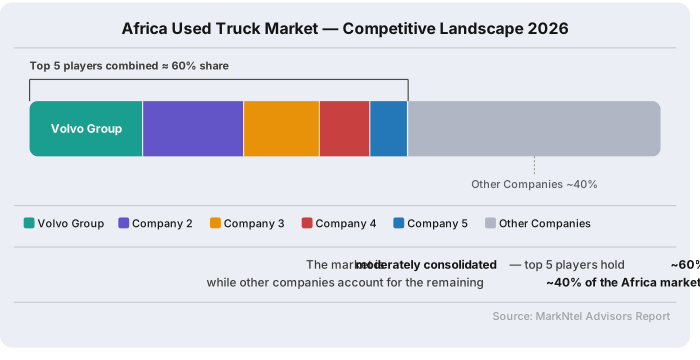
- The industry is moderately consolidated. With the top five players collectively account for nearly 60% of the market size.
Africa Used Truck Market Size and Outlook
The Africa Used Truck Market is estimated to grow at a CAGR of around 7.53% during the forecast period, i.e., 2026-2032, supported by rising cross-border freight movement, infrastructure development, mining logistics, and increasing dependence on affordable commercial transportation solutions across emerging African economies. Commercial fleet operators continue prioritizing used trucks because financing access for new heavy-duty vehicles remains limited in several countries including Nigeria, Kenya, Ghana, Tanzania, and Zambia.
According to the African Development Bank, Africa’s annual infrastructure financing gap remains between USD 130 billion and USD 170 billion annually, accelerating investments across roads, ports, industrial corridors, and construction projects that continue increasing demand for affordable freight and construction transportation fleets across the continent. Simultaneously, implementation of the African Continental Free Trade Area (AfCFTA) is expected to increase intra-African trade by more than 52% by 2035, creating sustained freight transportation demand across regional logistics corridors.
Government infrastructure modernization programs, logistics corridor investments, and increasing industrial activity continue strengthening long-term market expansion. Countries including Egypt, Morocco, Kenya, and South Africa are investing aggressively in transport infrastructure, dry ports, industrial zones, and freight connectivity projects to improve regional trade efficiency. Simultaneously, OEM-certified pre-owned truck programs and digital commercial vehicle marketplaces are improving transaction transparency and vehicle quality verification across the secondary commercial vehicle ecosystem.
Going forward, expanding trade integration, infrastructure investments, and logistics modernization are expected to strengthen demand for used trucks across Africa over the long term, supporting the growth of the Africa Used Truck Market from USD 12.11 billion in 2026 to USD 18.72 billion by 2032.
Africa Used Truck Market Key Indicators
- According to the United Nations Economic Commission for Europe (UNECE), 80–90% of vehicle fleet growth in Africa is driven by imported used vehicles, as affordability constraints, limited financing penetration, and high new truck acquisition costs continue supporting demand for refurbished and pre-owned transportation fleets across logistics, construction, and mining operations.
- High new truck prices and strict vehicle import regulations continue to support Africa’s used truck industry. The South African Government restricts second-hand vehicle imports to protect domestic manufacturing, while the East African Community (EAC) imposes tariffs of up to 35% on fully built vehicles. These policies encourage logistics operators and SMEs across Kenya, Nigeria, Tanzania, and Ghana to shift toward pre-owned trucks.
- South Africa’s Transnet announced infrastructure modernization investments worth USD 7.3 billion in 2025 to upgrade rail corridors, freight terminals, and logistics infrastructure supporting heavy truck deployment.
- Commercial lending rates across several African economies remained above 15%-20% during 2024-2025, limiting affordability of new heavy commercial vehicles and strengthening demand for lower-cost used trucks.
- Morocco’s Tanger Med Port handled 11.1 million TEUs in 2025, while Kenya Ports Authority processed 2.11 million TEUs, reflecting rising containerized freight movement across African trade corridors. The increase in inland cargo transportation requirements continues supporting procurement of affordable used medium- and heavy-duty trucks by regional logistics operators and cross-border freight companies.
- Africa’s electric mobility fleet exceeded 30,000 vehicles by May 2025, according to the Africa E-Mobility Alliance, reflecting gradual electrification across commercial transportation segments including delivery vans, buses, and light-duty trucks.
Africa Used Truck Market Scope
| Category | Segments |
|---|---|
| By Truck Type | Light Duty Trucks, Medium Duty Trucks, Heavy Duty Trucks, Tipper Trucks, Tractor Trucks, Pickup Trucks |
| By Application | Logistics & Transportation, Construction, Mining, Agriculture, Oil & Gas, Municipal Services |
| By Fuel Type | Diesel, Gasoline, Electric, Hybrid, CNG/LNG |
| By Tonnage Capacity | 3.5 tons to 7.5, tons 57.6 tons to 16 tons, Above 16 tons |
| By Vehicle Age | Less than 3 Years, 3 to 5 Years, 6 to 10 Years, More than 10 Years |
| By Sales Channel | Authorized Dealerships, Independent Dealers, Online Platforms, Direct Owner Sales, Auctions, Certified Pre-Owned(CPO |
Africa Used Truck Market Growth Drivers
Rising Cross-Border Trade and Infrastructure Investments Strengthen Used Truck Demand
Africa’s cross-border freight movement continues expanding under AfCFTA implementation, increasing demand for affordable heavy commercial vehicles across East and Southern Africa. Used trucks remain highly preferred because they cost nearly 40%-65% less than new trucks. New heavy-duty trucks in markets such as South Africa, Kenya, and Nigeria typically range between USD 85,000-150,000, while 3-7-year-old used trucks generally cost between USD 30,000-70,000. This pricing advantage continues supporting procurement among SMEs, logistics operators, mining contractors, and regional freight companies.
Infrastructure and logistics investments are further strengthening used truck deployment across Africa. South Africa’s Transnet allocated nearly USD 7.3 billion toward freight infrastructure modernization in 2025, while the African Development Bank approved over USD 1.5 billion for transport and logistics infrastructure projects across the continent. Expanding investments in trade corridors, road modernization, mining logistics, and cargo transportation networks continue increasing demand for used dump trucks, cargo haulers, refrigerated trucks, and long-haul heavy-duty commercial vehicles across regional freight corridors.
Limited Vehicle Financing Creating Opportunities for Leasing and Fleet-Based Ownership Models
Limited availability of structured commercial vehicle financing across many African countries remains a major challenge for the used truck industry. High interest rates, strict collateral requirements, weak credit ecosystems, and limited banking penetration make it difficult for small transport operators and independent logistics companies to purchase used trucks, thereby restricting fleet expansion and market growth. In several African economies, commercial lending rates remain significantly elevated, increasing financing burdens for SMEs and limiting organized commercial vehicle ownership across regional freight and logistics operations.
The financing gap is creating significant opportunities for truck leasing companies, pay-per-use transportation models, and fleet-as-a-service providers across Africa. Logistics operators are increasingly adopting flexible leasing, rental, and instalment-based ownership solutions to reduce upfront capital requirements and improve vehicle accessibility. Companies such as Afrirent Holdings are expanding fleet leasing and fleet management solutions across South Africa, reflecting growing demand for asset-light commercial vehicle ownership models. According to the African Development Bank, SMEs account for nearly 90% of businesses across Africa, accelerating demand for affordable fleet financing and transportation solutions.
Recent Trends
OEM-Certified Pre-Owned Truck Programs Reshape Secondary Commercial Vehicle Sales
OEM-certified used truck programs are emerging as a major trend across Africa’s commercial vehicle industry as fleet operators increasingly prioritize reliability, maintenance transparency, and aftermarket support. Traditional used truck transactions across Africa have historically depended on informal dealers and imported vehicle auctions with limited service records. Commercial fleet buyers now increasingly prefer certified pre-owned trucks because downtime costs within logistics, mining, and construction operations continue rising. OEM-backed programs improve resale confidence through inspection protocols, warranty support, telematics integration, and spare-parts accessibility.
Global truck manufacturers are expanding production, distribution, and certified pre-owned vehicle programs across Africa to strengthen market presence and improve vehicle quality standards. In August 2025, Isuzu Motors South Africa announced plans to position South Africa as its regional truck production and distribution hub for African markets. Simultaneously, digital truck marketplaces and fleet management platforms are enhancing vehicle sourcing, inspection transparency, financing access, and inventory management. These developments are supporting market formalization, improving residual values, and increasing buyer confidence across the used truck ecosystem.
Africa Used Truck Market Segmentation
3.5–7.5 Tons Leads the Market Owing to Its Balance of Payload Capacity and Cost Efficiency
Medium duty trucks (3.5–7.5 tons) account for nearly 55% share by tonnage capacity in the africa used truck industry, driven by strong demand for cost-efficient, flexible, and operationally balanced freight vehicles. These trucks are widely preferred by logistics operators and small fleet owners due to their optimal mix of payload capacity and affordability. Compared to heavy-duty trucks, they offer significantly lower acquisition costs, making them highly suitable for price-sensitive transport businesses operating across urban and semi-urban freight corridors.
The segment benefits from relatively better fuel efficiency, typically delivering around 6–10 km/litre, depending on load conditions and route profiles, making them more economical for frequent delivery operations. In addition, easier maintenance, lower repair costs, and improved spare-part availability enhance their long-term usability. Medium-duty trucks are widely deployed in FMCG distribution, retail logistics, agriculture transport, and construction support activities. Their adaptability and operational efficiency continue to drive strong replacement demand within Africa’s expanding used commercial vehicle. Based on tonnage type, the market has been segmented into:
- 3.5 tons to 7.5 tons
- 57.6 tons to 16 tons
- Above 16 tons
Logistics & Transportation Segment Drives Used Truck Market
Logistics and transportation represent the leading application segment in the africa used truck market, accounting for nearly 60% share, driven by expanding regional trade and rising freight movement across ports, industrial hubs, and inland corridors. The implementation of AfCFTA is enhancing cross-border cargo flows across major African regions, increasing demand for cost-efficient trucking fleets. Logistics operators continue to prefer used trucks due to lower acquisition costs, enabling fleet expansion while minimizing capital expenditure and financing risks in highly price-sensitive markets.
The segment spans freight transportation, port logistics, cold-chain distribution, warehouse operations, and intercity cargo movement. Growing investments in port modernization and logistics infrastructure across key African economies such as South Africa, Nigeria, and Egypt are strengthening cargo handling capacity, with major ports collectively processing multi-million TEU volumes annually. Additionally, mining and construction activities further support demand for heavy-duty trucks. However, logistics operators remain the dominant buyers, as continuous freight movement across regional trade corridors drives recurring fleet replacement cycles. Based on application type, the market has been segmented into:
- Logistics & Transportation
- Construction
- Mining
- Agriculture
- Oil & Gas
- Municipal Services
Africa Used Truck Market Regional Analysis
South Africa holds nearly 30% share of the africa used truck market, supported by its advanced automotive ecosystem, developed logistics infrastructure, and strong industrial base. The country maintains extensive mining, agriculture, manufacturing, and freight transportation activity, generating consistent demand for medium and heavy-duty commercial vehicles. South Africa also functions as a major gateway for truck imports and redistribution across the Southern African Development Community (SADC) economies. Organized dealership networks, vehicle financing accessibility, aftermarket support availability, and established inspection systems further strengthen the country’s leadership position within the regional used truck industry.
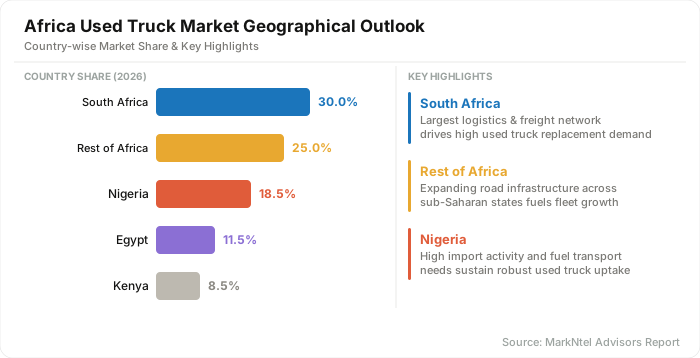
South Africa’s dominance is further reinforced by its strategic role in regional freight movement and logistics modernization initiatives. The country serves as a critical transportation hub linking Southern African economies through well-established road corridors and border trade routes. Ongoing investments in freight infrastructure, warehousing facilities, and logistics connectivity continue supporting commercial vehicle utilization across long-haul transportation, mining supply chains, and industrial distribution networks. Additionally, the presence of major truck manufacturers, organized used vehicle dealerships, and mature aftermarket service ecosystems enhances vehicle availability and operational reliability, strengthening South Africa’s position as the leading market for used trucks across Africa.
Africa Used Truck Market Competitive Analysis
The market is moderately consolidated, with the top five players collectively accounting for nearly 60% of the organized used truck industry across Africa. The top five companies, including Daimler Truck AG, Volvo Group, Isuzu Motors Limited, Scania AB, and FAW Group Corporation, reflecting a competitive landscape characterized by strong regional dealer networks, extensive aftermarket support, refurbishment capabilities, and growing penetration across logistics, mining, and construction transportation sectors.
Major Used Truck Companies in the Africa
- AB Volvo
- Scania AB
- Renault
- Isuzu Motors Limited
- Man Truck and Bus
- Ashok Leyland Limited
- Daimler AG
- Mercedes-Benz
- Hyundai
Africa Used Truck Industry News and Recent Developments
May 2026: TruckStore Expands Gauteng Footprint to Strengthen Africa’s Organized Used Truck Ecosystem
TruckStore, the used commercial vehicle division of Daimler Truck Southern Africa, inaugurated a new West Rand facility in Gauteng, South Africa, to expand its presence across key freight, mining, and industrial transportation corridors. The facility enhances access to certified pre-owned trucks, trade-in programs, financing solutions, refurbishment services, and aftermarket support for commercial fleet operators.
Impact Analysis: The expansion reflects rising formalization within Africa’s used truck market as fleet operators increasingly prioritize reliable, certified, and financing-supported commercial vehicles. Strengthening organized resale infrastructure improves vehicle accessibility, enhances buyer confidence, supports fleet replacement cycles, and reinforces South Africa’s position as a major used truck distribution and refurbishment hub across the African commercial transportation ecosystem.
November 2025: Babcock Launches DAF Premium Select Certified Used Truck Program in Southern Africa
Babcock introduced the DAF Premium Select program across Southern Africa, offering certified pre-owned DAF trucks that undergo comprehensive inspections and refurbishment processes. The program includes warranty coverage, maintenance support, transparent vehicle history records, and buy-back options, providing fleet operators with greater confidence when purchasing used commercial vehicles.
Impact Analysis: The launch highlights the growing shift toward organized and certified used truck sales across Africa. By improving vehicle quality assurance, ownership transparency, and aftermarket support, the program strengthens buyer confidence, enhances residual vehicle values, and supports the transition from informal truck trading toward a more structured and professional used commercial vehicle ecosystem.
Frequently Asked Questions
- Market Segmentation
- Introduction
- Product Definition
- Research Process
- Assumptions
- Executive Summary
- Africa Used Truck Market Policies, Regulations, and Product Standards
- Africa Used Truck Market Trends & Developments
- Africa Used Truck Market Dynamics
- Growth Factors
- Challenges
- Africa Used Truck Market Hotspot & Opportunities
- Africa Used Truck Market Outlook, 2022-2032F
- Market Size & Outlook
- By Revenues (USD Million)
- By Unit Sold (Thousand Units)
- Mark Market Share & Outlook
- By Truck Type- Market Size & Forecast 2022-2032, USD Million & Thousand Units
- Light Duty Trucks
- Medium Duty Trucks
- Heavy Duty Trucks
- Tipper Trucks
- Tractor Trucks
- Pickup Trucks
- By Application- Market Size & Forecast 2022-2032, USD Million & Thousand Units
- Logistics & Transportation
- Construction
- Mining
- Agriculture
- Oil & Gas
- Municipal Services
- By Fuel Type- Market Size & Forecast 2022-2032, USD Million & Thousand Units
- Diesel
- Gasoline
- Electric
- Hybrid
- CNG/LNG
- By Tonnage Capacity Market Size & Forecast 2022-2032, USD Million & Thousand Units
- 3.5 tons to 7.5 tons
- 57.6 tons to 16 tons
- Above 16 tons
- By Vehicle Age- Market Size & Forecast 2022-2032, USD Million & Thousand Units
- Less than 3 Years
- 3 to 5 Years
- 6 to 10 Years
- More than 10 Years
- By Sales Channel- Market Size & Forecast 2022-2032, USD Million & Thousand Units
- Authorized Dealerships
- Independent Dealers
- Online Platforms
- Direct Owner Sales
- Auctions
- Certified Pre-Owned(CPO)
- By Country- Market Size & Forecast 2022-2032, USD Million & Thousand Units
- South Africa
- Nigeria
- Kenya
- Egypt
- Morocco
- Algeria
- Ethiopia
- Ghana
- Rest of Africa
- By Company
- Competition Characteristics
- Market Share & Analysis
- By Truck Type- Market Size & Forecast 2022-2032, USD Million & Thousand Units
- Market Size & Outlook
- South Africa Used Truck Market Outlook, 2022-2032F
- Market Size & Analysis
- By Revenues (USD Million)
- By Units Sold (Thousand Units)
- Market Share & Analysis
- By Truck Type- Market Size & Forecast 2022-2032, USD Million & Thousand Units
- By Application- Market Size & Forecast 2022-2032, USD Million & Thousand Units
- By Fuel Type- Market Size & Forecast 2022-2032, USD Million & Thousand Units
- By Tonnage Capacity- Market Size & Forecast 2022-2032, USD Million & Thousand Units
- By Vehicle Age- Market Size & Forecast 2022-2032, USD Million & Thousand Units
- By Sales Channel- Market Size & Forecast 2022-2032, USD Million & Thousand Units
- Market Size & Analysis
- Nigeria Used Truck Market Outlook, 2022-2032F
- Market Size & Analysis
- By Revenues (USD Million)
- By Units Sold (Thousand Units)
- Market Share & Analysis
- By Truck Type- Market Size & Forecast 2022-2032, USD Million & Thousand Units
- By Application- Market Size & Forecast 2022-2032, USD Million & Thousand Units
- By Fuel Type- Market Size & Forecast 2022-2032, USD Million & Thousand Units
- By Tonnage Capacity- Market Size & Forecast 2022-2032, USD Million & Thousand Units
- By Vehicle Age- Market Size & Forecast 2022-2032, USD Million & Thousand Units
- By Sales Channel- Market Size & Forecast 2022-2032, USD Million & Thousand Units
- Market Size & Analysis
- Kenya Used Truck Market Outlook, 2022-2032F
- Market Size & Analysis
- By Revenues (USD Million)
- By Units Sold (Thousand Units)
- Market Share & Analysis
- By Truck Type- Market Size & Forecast 2022-2032, USD Million & Thousand Units
- By Application- Market Size & Forecast 2022-2032, USD Million & Thousand Units
- By Fuel Type- Market Size & Forecast 2022-2032, USD Million & Thousand Units
- By Tonnage Capacity- Market Size & Forecast 2022-2032, USD Million & Thousand Units
- By Vehicle Age- Market Size & Forecast 2022-2032, USD Million & Thousand Units
- By Sales Channel- Market Size & Forecast 2022-2032, USD Million & Thousand Units
- Market Size & Analysis
- Egypt Used Truck Market Outlook, 2022-2032F
- Market Size & Analysis
- By Revenues (USD Million)
- By Units Sold (Thousand Units)
- Market Share & Analysis
- By Truck Type- Market Size & Forecast 2022-2032, USD Million & Thousand Units
- By Application- Market Size & Forecast 2022-2032, USD Million & Thousand Units
- By Fuel Type- Market Size & Forecast 2022-2032, USD Million & Thousand Units
- By Tonnage Capacity- Market Size & Forecast 2022-2032, USD Million & Thousand Units
- By Vehicle Age- Market Size & Forecast 2022-2032, USD Million & Thousand Units
- By Sales Channel- Market Size & Forecast 2022-2032, USD Million & Thousand Units
- Market Size & Analysis
- Morocco Used Truck Market Outlook, 2022-2032F
- Market Size & Analysis
- By Revenues (USD Million)
- By Units Sold (Thousand Units)
- Market Share & Analysis
- By Truck Type- Market Size & Forecast 2022-2032, USD Million & Thousand Units
- By Application- Market Size & Forecast 2022-2032, USD Million & Thousand Units
- By Fuel Type- Market Size & Forecast 2022-2032, USD Million & Thousand Units
- By Tonnage Capacity- Market Size & Forecast 2022-2032, USD Million & Thousand Units
- By Vehicle Age- Market Size & Forecast 2022-2032, USD Million & Thousand Units
- By Sales Channel- Market Size & Forecast 2022-2032, USD Million & Thousand Units
- Market Size & Analysis
- Algeria Used Truck Market Outlook, 2022-2032F
- Market Size & Analysis
- By Revenues (USD Million)
- By Units Sold (Thousand Units)
- Market Share & Analysis
- By Truck Type- Market Size & Forecast 2022-2032, USD Million & Thousand Units
- By Application- Market Size & Forecast 2022-2032, USD Million & Thousand Units
- By Fuel Type- Market Size & Forecast 2022-2032, USD Million & Thousand Units
- By Tonnage Capacity- Market Size & Forecast 2022-2032, USD Million & Thousand Units
- By Vehicle Age- Market Size & Forecast 2022-2032, USD Million & Thousand Units
- By Sales Channel- Market Size & Forecast 2022-2032, USD Million & Thousand Units
- Market Size & Analysis
- Ethiopia Used Truck Market Outlook, 2022-2032F
- Market Size & Analysis
- By Revenues (USD Million)
- By Units Sold (Thousand Units)
- Market Share & Analysis
- By Truck Type- Market Size & Forecast 2022-2032, USD Million & Thousand Units
- By Application- Market Size & Forecast 2022-2032, USD Million & Thousand Units
- By Fuel Type- Market Size & Forecast 2022-2032, USD Million & Thousand Units
- By Tonnage Capacity- Market Size & Forecast 2022-2032, USD Million & Thousand Units
- By Vehicle Age- Market Size & Forecast 2022-2032, USD Million & Thousand Units
- By Sales Channel- Market Size & Forecast 2022-2032, USD Million & Thousand Units
- Market Size & Analysis
- Ghana Used Truck Market Outlook, 2022-2032F
- Market Size & Analysis
- By Revenues (USD Million)
- By Units Sold (Thousand Units)
- Market Share & Analysis
- By Truck Type- Market Size & Forecast 2022-2032, USD Million & Thousand Units
- By Application- Market Size & Forecast 2022-2032, USD Million & Thousand Units
- By Fuel Type- Market Size & Forecast 2022-2032, USD Million & Thousand Units
- By Tonnage Capacity- Market Size & Forecast 2022-2032, USD Million & Thousand Units
- By Vehicle Age- Market Size & Forecast 2022-2032, USD Million & Thousand Units
- By Sales Channel- Market Size & Forecast 2022-2032, USD Million & Thousand Units
- Market Size & Analysis
- Africa Used Truck Market Key Strategic Imperatives for Success & Growth
- Competitive Outlook
- Company Profiles
- Scania AB
- Business Description
- Product Portfolio
- Collaborations & Alliances
- Recent Developments
- Financial Details
- Others
- AB Volvo
- Business Description
- Product Portfolio
- Collaborations & Alliances
- Recent Developments
- Financial Details
- Others
- Renault
- Business Description
- Product Portfolio
- Collaborations & Alliances
- Recent Developments
- Financial Details
- Others
- Isuzu Motors Limited
- Business Description
- Product Portfolio
- Collaborations & Alliances
- Recent Developments
- Financial Details
- Others
- Man Truck and Bus
- Business Description
- Product Portfolio
- Collaborations & Alliances
- Recent Developments
- Financial Details
- Others
- Ashok Leyland Limited
- Business Description
- Product Portfolio
- Collaborations & Alliances
- Recent Developments
- Financial Details
- Others
- Daimler AG
- Business Description
- Product Portfolio
- Collaborations & Alliances
- Recent Developments
- Financial Details
- Others
- Mercedes Benz
- Business Description
- Product Portfolio
- Collaborations & Alliances
- Recent Developments
- Financial Details
- Others
- Hyundai
- Business Description
- Product Portfolio
- Collaborations & Alliances
- Recent Developments
- Financial Details
- Others
- Scania AB
- Company Profiles
- Disclaimer
MarkNtel Advisors follows a robust and iterative research methodology designed to ensure maximum accuracy and minimize deviation in market estimates and forecasts. Our approach combines both bottom-up and top-down techniques to effectively segment and quantify various aspects of the market. A consistent feature across all our research reports is data triangulation, which examines the market from three distinct perspectives to validate findings. Key components of our research process include:
1. Scope & Research Design At the outset, MarkNtel Advisors define the research objectives and formulate pertinent questions. This phase involves determining the type of research—qualitative or quantitative—and designing a methodology that outlines data collection methods, target demographics, and analytical tools. They also establish timelines and budgets to ensure the research aligns with client goals.
2. Sample Selection and Data Collection In this stage, the firm identifies the target audience and determines the appropriate sample size to ensure representativeness. They employ various sampling methods, such as random or stratified sampling, based on the research objectives. Data collection is carried out using tools like surveys, interviews, and observations, ensuring the gathered data is reliable and relevant.
3. Data Analysis and Validation Once data is collected, MarkNtel Advisors undertake a rigorous analysis process. This includes cleaning the data to remove inconsistencies, employing statistical software for quantitative analysis, and thematic analysis for qualitative data. Validation steps are taken to ensure the accuracy and reliability of the findings, minimizing biases and errors.

4. Data Forecast and FinalizationThe final phase involves forecasting future market trends based on the analyzed data. MarkNtel Advisors utilize predictive modeling and time series analysis to anticipate market behaviors. The insights are then compiled into comprehensive reports, featuring visual aids like charts and graphs, and include strategic recommendations to inform client decision-making
We offer flexible licensing options to cater to varying organizational needs. Choose the pricing pack that best suits your requirements:
Buy Now Inquire Before Buying
 Request Customization
 Talk to our Consultant







