

By Product Type (Helmets, Jackets, Gloves, Boots & Footwear, Riding Suits/Apparel, Body Armor & Protection Gear, Knee & Elbow Guards, Rain Gear, Others), By Material Type (Leather, Synthetic/Textile,... ... Synthetic/Textile, Mesh Fabric, Carbon Fiber, Kevlar & Reinforced Materials, Others), By Vehicle Type (Motorcycle Riding Gear, Bicycle Riding Gear, Off-Road/ATV Riding Gear, Equestrian Riding Gear, Others), By End User (Men, Women, Kids), By Distribution Channel (Online Stores/E-commerce, Specialty Stores, Brand Outlets, Supermarkets/Hypermarkets, Others), By Application (Sports & Racing, Adventure Touring, Daily Commuting, Off-Road Riding, Recreational Riding), and others Read more
- FMCG
- Jun 2026
- 160
- PDF, Excel, PPT
India Ride Gear Market Key Takeaways
- The India Ride Gear Market was valued at USD 202 million in 2025 and is expected to grow from USD 223.06 million in 2026 to USD 314.16 million by 2032.
- The market is projected to register a CAGR of 5.87% during the forecast period of 2026–2032.
- In 2026, South India accounted for nearly 31.7% market share, driven by strong motorcycle ownership, expanding premium biking culture, and rising adoption of riding safety accessories.
- By product type, Helmet products captured approximately 42% market share in 2026, supported by increasing consumer preference for premium smart helmets.
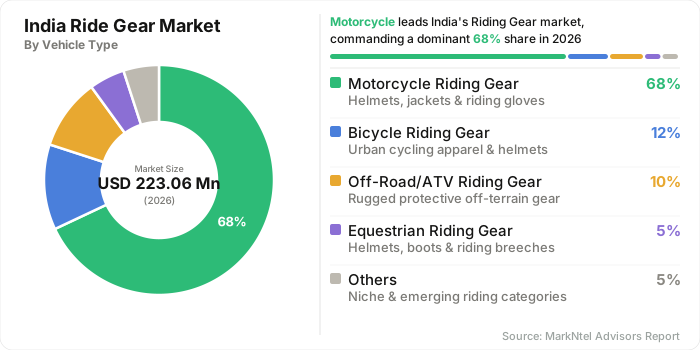
- Motorcycle Riding Gear accounted for nearly 68% market share in 2026, supported by expanding touring culture and increasing demand for protective riding equipment.
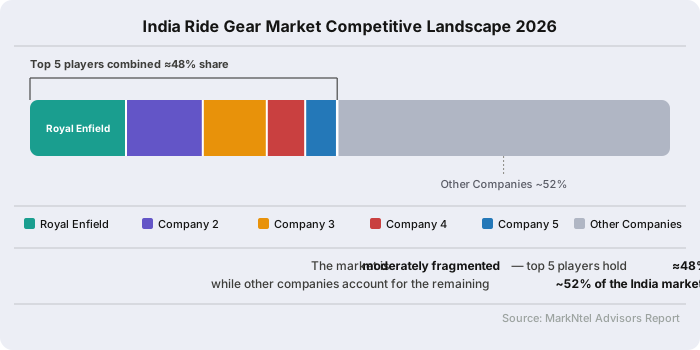
- The industry is moderately fragmented, with the top five leading players accounting for approximately 48% of the total market share.
India Ride Gear Market Size and Outlook
The ride gear market in India is expected to rise from USD 223.06 million in 2026 to USD 314.16 million by 2032, following a valuation of USD 202 million in 2025. Along with this, the market is projected to witness a sustain growth at a CAGR of 5.87% during 2026-32.
Growing motorcycle ownership and increasing adoption of premium two-wheelers have steadily strengthened demand for ride gear. India recorded more than 20 million two-wheeler registrations in 2025, reflecting continued expansion of the motorcycle and scooter segment and supporting demand for helmets, riding jackets, gloves, and protective accessories. Alongside daily commuting needs, the growing popularity of motorcycle touring and leisure riding activities has encouraged consumers to increasingly invest in certified riding equipment offering improved comfort, durability, and impact protection.
The market has also benefited from stronger regulatory oversight and expanding road safety initiatives across the country. In 2025, the Government of India’s Press Information Bureau stated that all two-wheeler riders are legally required to wear helmets conforming to IS 4151:2015 standards, reinforcing nationwide adoption of certified protective equipment .
This regulatory emphasis, combined with growing awareness campaigns, has gradually shifted consumer preference toward full-face helmets, abrasion-resistant apparel, and advanced motorcycle protective equipment. Commercial users, particularly delivery service riders and urban mobility operators, have also emerged as an important end-user group due to increasing reliance on two-wheelers for transportation operations.
At the same time, manufacturers have increasingly focused on domestic production expansion and technologically advanced riding apparel tailored to Indian climatic conditions. Several companies introduced CE-certified protective gear featuring lightweight materials, ventilation systems, and improved impact resistance to enhance rider comfort and safety. Simultaneously, the rapid expansion of organized retail outlets and e-commerce platforms has improved accessibility of premium riding equipment across tier-2 and tier-3 cities, enabling consumers to purchase branded protective accessories more conveniently.
Looking ahead, favorable economic conditions and changing mobility preferences are expected to support long-term market expansion. According to the Society of Indian Automobile Manufacturers, motorcycles above 250cc continued recording stable sales growth during 2025 , contributing to higher spending on premium riding accessories and specialized protective equipment. Furthermore, the continued rise of app-based delivery services and urban transportation operations is expected to sustain recurring demand for helmets and weather-resistant riding gear across India.
India Ride Gear Market Key Indicators
- According to the Ministry of Road Transport and Highways’ Road Accidents in India 2023 report, India recorded 172,485 road fatalities, with two-wheelers accounting for nearly 44.5% of total deaths. The high share of motorcycle-related fatalities has strengthened regulatory focus on certified helmets and rider safety compliance, while also increasing consumer demand for advanced protective riding equipment and safety technologies across India.
- India recorded more than 19.6 million two-wheeler domestic sales during April 2024–March 2025, based on data released by the Society of Indian Automobile Manufacturers (SIAM). Rising motorcycle and scooter sales directly support demand for helmets, riding jackets, gloves, and other certified rider safety products across the country.
- World Bank data indicated that India accounted for nearly 11% of global road fatalities in 2023 despite representing less than 3% of the global vehicle fleet. The disproportionate share of road accident deaths has intensified focus on rider safety, accelerating adoption of certified helmets, protective apparel, and advanced rider protection systems across the country.
- India’s electric vehicle sales crossed 2.3 million units in 2025, according to the India Energy Storage Alliance (IESA), reflecting rapid expansion of electric two-wheeler adoption across urban mobility segments. Rising usage of electric scooters and motorcycles is increasing demand for commuter helmets, lightweight riding apparel, and urban rider safety accessories across India
India Ride Gear Market Scope
| Category | Segments |
|---|---|
| By Product Type | Helmets, Jackets, Gloves, Boots & Footwear, Riding Suits/Apparel, Body Armor & Protection Gear, Knee & Elbow Guards, Rain Gear, Others |
| By Material Type | Leather, Synthetic/Textile, Mesh Fabric, Carbon Fiber, Kevlar & Reinforced Materials, Others |
| By Vehicle Type | Motorcycle Riding Gear, Bicycle Riding Gear, Off-Road/ATV Riding Gear, Equestrian Riding Gear, Others |
| By End User | Men, Women, Kids |
| By Distribution Channel | Online Stores/E-commerce, Specialty Stores, Brand Outlets, Supermarkets/Hypermarkets, Others |
| By Application | Sports & Racing, Adventure Touring, Daily Commuting, Off-Road Riding, Recreational Riding |
India Ride Gear Market Growth Drivers
Increasing Emphasis on Rider Safety Compliance
Growing concern regarding motorcycle-related road accidents has significantly strengthened the government’s focus on rider safety compliance across India, creating sustained demand for certified protective riding equipment. To improve rider protection standards, the Bureau of Indian Standards continues implementing compulsory certification requirements for helmets under its quality control framework. This regulatory emphasis has encouraged wider adoption of ISI-certified products while discouraging usage of low-quality alternatives . As awareness regarding accident prevention increases, demand for certified helmets and advanced rider safety technologies continues expanding among commuter and recreational riders.
The regulatory environment became stronger during 2025 as the Ministry of Road Transport and Highways approved mandatory anti-lock braking systems for all two-wheelers and proposed compulsory provision of two helmets with new motorcycles . These measures are gradually influencing consumer purchasing behavior by strengthening preference for standardized rider protection products during vehicle purchases. Simultaneously, helmet safety campaigns conducted by traffic authorities, including initiatives launched by Delhi Traffic Police during 2025 , are improving public awareness regarding certified protective gear and encouraging wider adoption of motorcycle protective clothing across urban markets.
The growing emphasis on rider safety compliance is also contributing to long-term expansion in consumption of protective riding equipment across multiple end-user categories. Commercial users, particularly delivery riders and app-based mobility operators, increasingly require helmets, gloves, rain gear, and abrasion-resistant apparel to maintain operational safety and regulatory compliance, thereby supporting sustained growth in overall product demand and market volume.
Recent Trends
Growing Consumer Shift Toward Connectivity-Integrated and Technically Advanced Riding Gear
India’s motorcycle riding community is increasingly moving beyond basic safety compliance toward technologically advanced riding gear that combines certified protection with digital connectivity and long-duration comfort. Urban commuters, touring riders, and adventure biking enthusiasts are gradually adopting helmets equipped with Bluetooth intercom systems, integrated speakers, navigation support, and emergency alert functionality. This evolving preference is strengthening demand for climate-adaptive riding apparel and advanced rider protection systems designed for extended usage across diverse road and weather conditions.
As consumer expectations continue evolving, manufacturers are increasingly incorporating connectivity features, lightweight materials, and enhanced protection systems into product development strategies. In 2025, Steelbird launched the SBH-32 Aeronautics smart helmet equipped with Bluetooth 5.2 technology , while Ather expanded its Halo smart helmet portfolio featuring helmet-to-helmet communication, navigation assistance, and voice-command integration capabilities. These developments reflect growing industry focus on connectivity-enabled rider safety products and are encouraging wider adoption of technologically advanced riding equipment across commuter and touring rider segments.
The rising adoption of technically advanced riding gear is expected to steadily elevate product specifications across India’s mid-premium and premium segments. Growing awareness regarding CE certification standards, armor ratings, and textile durability is gradually improving adoption of structured protective equipment beyond conventional helmets, while continued investments in connectivity-enabled safety features and lightweight riding gear materials are expected to support long-term premiumization across the organized riding gear industry.
India Ride Gear Market Opportunities and Challenges
Increasing Availability of Low-Quality Riding Accessories Driving Consumer Preference Toward Premium Safety-Certified Products
Increasing availability of low-quality and non-certified riding accessories across India is creating growing safety concerns among commuters, touring riders, and motorcycle enthusiasts. Many inexpensive helmets and protective apparel products available through unorganized retail channels often fail to comply with recognized safety standards related to impact resistance and rider protection performance. The widespread circulation of substandard riding equipment is encouraging regulatory authorities to strengthen enforcement against non-compliant products while increasing consumer awareness regarding the importance of certified protective gear. In response, the Bureau of Indian Standards continues enforcing compulsory certification requirements for helmets under its quality control framework, supporting gradual transition toward standardized rider protection products and safer motorcycle commuter protection gear across the market.
At the same time, rising concerns regarding counterfeit and low-quality riding accessories are creating significant opportunities for manufacturers offering premium safety-certified products with improved protection technologies and higher durability standards. Consumers are progressively prioritizing bike helmets and riding apparel carrying BIS, DOT, ECE, and CE certifications as awareness regarding rider safety and product reliability continues improving. Reflecting this shift, Reise Moto launched its ECE-certified Helden helmet range in India during 2025 , while Rynox introduced its Class AA-certified Outlander Pro riding gear featuring CE-approved armor protection and enhanced abrasion resistance capabilities . These developments reflect the gradual shift of Indian consumers toward premium riding equipment offering globally recognized safety standards, improved structural protection, and higher long-term product reliability through advanced motorcycle protective clothing solutions.
Segmentation Insights
Mandatory Safety Compliance and Rising Premium Helmet Adoption Strengthen Leadership of the Helmet Segment
Strong regulatory enforcement and growing rider safety awareness helped helmets capture nearly 42% share across the organized riding gear industry. The segment’s leadership is primarily supported by mandatory helmet regulations, rising focus on head injury prevention, and expanding adoption of certified protective gear among commuters and motorcycle enthusiasts. Increasing urban commuting activity and rising motorcycle ownership are further strengthening demand for certified helmets across metropolitan and tier-2 cities, particularly among daily riders, delivery personnel, and recreational motorcycle users throughout the country.
Consumer preference is gradually shifting toward premium full-face and modular helmets featuring improved impact protection, aerodynamic design, anti-fog visors, and enhanced ventilation systems suited to Indian climatic conditions. The growing emphasis on rider protection is further reinforced by government road safety data showing that more than 54,000 two-wheeler riders killed in road accidents during 2023 were not wearing helmets. Responding to evolving consumer expectations, manufacturers are increasingly introducing technologically advanced helmet portfolios featuring Bluetooth communication systems, lightweight shell construction, and smart rider connectivity features. The combined influence of safety regulations, rising awareness, and product innovation is expected to continue supporting long-term demand for certified helmets across India. Based on product type, the market has been segmented into:
- Helmets
- Jackets
- Gloves
- Boots & Footwear
- Riding Suits/Apparel
- Body Armor & Protection Gear
- Knee & Elbow Guards
- Rain Gear
- Others
Expanding Touring and Enthusiast Motorcycle Culture Driving Dominance of Motorcycle Riding Gear Segment
Motorcycle Riding Gear accounted for nearly 68% share by vehicle type, supported by India’s large motorcycle population, expanding premium motorcycle ownership, and increasing participation in touring and recreational riding activities. The segment continues benefiting from rising demand for protective jackets, armored gloves, riding pants, and touring accessories among both commuter and enthusiast rider groups. Increasing usage of motorcycles for long-distance travel and leisure riding is further encouraging consumers to invest in durable, weather-adaptive, and impact-resistant protective riding equipment across India.
Adventure touring and organized biking communities are playing an important role in accelerating demand for motorcycle touring apparel, rider comfort products, and protective accessories designed for extended journeys. Alongside touring activities, growing adoption of premium motorcycles among urban millennials is further strengthening demand for branded riding accessories and lifestyle-oriented protective gear products. Responding to evolving rider preferences, Royal Enfield and REV’IT! launched an all-weather riding gear range in India featuring protective jackets, gloves, and riding trousers designed for varying climatic and road conditions . The development highlights rising consumer preference for specialized motorcycle riding apparel offering improved rider comfort, durability, and long-distance protection performance across India. Based on vehicle type, the market is categorized into:
- Motorcycle Riding Gear
- Bicycle Riding Gear
- Off-Road/ATV Riding Gear
- Equestrian Riding Gear
- Others
India Ride Gear Market Geographical Outlook
South India commands approximately 31.7% of total market revenue, supported by concentrated two-wheeler usage across Tamil Nadu, Karnataka, Andhra Pradesh, Telangana, and Kerala, along with high urban commuter density in metropolitan centres including Bengaluru, Chennai, Hyderabad, and Kochi. The region also benefits from relatively higher disposable income levels and a deeply established motorcycle touring culture, particularly across Bengaluru and Hyderabad, where enthusiast riding communities continue encouraging demand for premium riding accessories, protective apparel, and touring-focused safety gear products among both commuter and recreational rider groups.
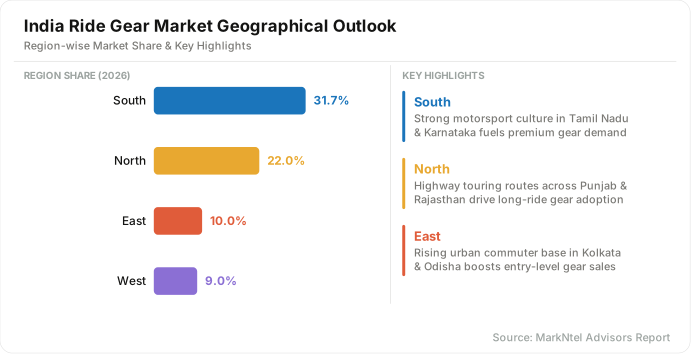
The region’s leadership is further reinforced by its strong automotive and urban economic ecosystem. Tamil Nadu remains India’s largest automobile manufacturing hub, accounting for nearly 35% of national automotive production output , which supports a dense two-wheeler user base alongside a well-developed organized retail and distribution network. At the same time, Karnataka’s large information technology sector has created a sizeable urban professional population with higher spending capacity for branded riding gear and premium motorcycle accessories. Growing expansion of dealership networks, authorized gear outlets, and e-commerce platforms across tier-2 cities is further improving product accessibility and supporting continued market expansion throughout South India.
India Ride Gear Market Competitive Analysis
Competition within India’s ride gear industry remains moderately fragmented due to the presence of domestic helmet manufacturers, premium riding apparel brands, and international protective gear companies operating across the organized market. Leading companies including Steelbird Hi-Tech India, Studds Accessories, Royal Enfield, Axor Helmets, and Rynox Gears collectively account for approximately 48% share of the organized riding gear market, supported by strong brand recognition, extensive dealership networks, certified product portfolios, and growing penetration across premium motorcycle and commuter riding segments.
Key Players of Ride Gear in India
- Royal Enfield
- Steelbird Hi-Tech India
- Studds Accessories
- Axor Helmets
- Rynox Gears
- Alpinestars
- Dainese
- LS2 Helmets
- MT Helmets
- Fox Racing
- Others
India Ride Gear Industry News and Recent Developments
January 2026: Alpinestars Expands Premium Riding Gear Presence in India
Alpinestars strengthened its presence in India through expansion of premium riding gear distribution across key motorcycle enthusiast markets. The expansion focused on improving accessibility of internationally certified protective apparel, motorsport-inspired riding equipment, and premium motorcycle accessories targeting touring and performance riding communities.
Impact Analysis: The development reflects increasing demand for globally certified protective riding apparel and premium motorcycle accessories across India’s organized riding gear industry. Expansion of international riding gear brands is expected to improve availability of advanced rider protection products while supporting premiumization trends among touring and performance motorcycle users.
August 2025: Royal Enfield Launches Adventure X-T Riding Gear Collection
Royal Enfield launched the Adventure X-T riding gear collection in India featuring protective jackets, riding pants, gloves, and touring accessories designed for long-distance and all-weather riding conditions. The collection focused on improving rider comfort, weather adaptability, and protective performance for touring and adventure motorcycle users.
Impact Analysis: The launch highlights increasing demand for premium adventure touring apparel and specialized rider protection equipment among India’s expanding motorcycle enthusiast community. Introduction of touring-focused riding gear is expected to strengthen adoption of premium protective apparel and support long-distance riding culture across India.
- Market Segmentation
- Introduction
- Product Definition
- Research Process
- Assumptions
- Executive Summary
- India Ride Gear Market Policies, Regulations, and Product Standards
- India Ride Gear Market Trends & Developments
- India Ride Gear Market Dynamics
- Growth Factors
- Challenges
- India Ride Gear Market Hotspot & Opportunities
- India Ride Gear Market Outlook, 2022-2032F
- Market Size & Outlook
- By Revenues (USD Million)
- Market Share & Outlook
- By Product Type- Market Size & Forecast 2022-2032, USD Million
- Helmets
- Jackets
- Gloves
- Boots & Footwear
- Riding Suits/Apparel
- Body Armor & Protection Gear
- Knee & Elbow Guards
- Rain Gear
- Others
- By Material Type- Market Size & Forecast 2022-2032, USD Million
- Leather
- Synthetic/Textile
- Mesh Fabric
- Carbon Fiber
- Kevlar & Reinforced Materials
- Others
- By Vehicle Type- Market Size & Forecast 2022-2032, USD Million
- Motorcycle Riding Gear
- Bicycle Riding Gear
- Off-Road/ATV Riding Gear
- Equestrian Riding Gear
- Others
- By End User- Market Size & Forecast 2022-2032, USD Million
- Men
- Women
- Kids
- By Distribution Channel- Market Size & Forecast 2022-2032, USD Million
- Online Stores/E-commerce
- Specialty Stores
- Brand Outlets
- Supermarkets/Hypermarkets
- Others
- By Application- Market Size & Forecast 2022-2032, USD Million
- Sports & Racing
- Adventure Touring
- Daily Commuting
- Off-Road Riding
- Recreational Riding
- By Region- Market Size & Forecast 2022-2032, USD Million
- North India
- South India
- East India
- West India
- By Company
- Competition Characteristics
- Market Share & Analysis
- By Product Type- Market Size & Forecast 2022-2032, USD Million
- Market Size & Outlook
- India Helmets Market Outlook, 2022-2032
- Market Size & Outlook
- By Revenues (USD Million)
- Market Share & Outlook
- By Material Type- Market Size & Forecast 2022-2032, USD Million
- By Vehicle Type- Market Size & Forecast 2022-2032, USD Million
- By End User- Market Size & Forecast 2022-2032, USD Million
- By Distribution Channel- Market Size & Forecast 2022-2032, USD Million
- By Application- Market Size & Forecast 2022-2032, USD Million
- By Region- Market Size & Forecast 2022-2032, USD Million
- Market Size & Outlook
- India Jackets Market Outlook, 2022-2032
- Market Size & Outlook
- By Revenues (USD Million)
- Market Share & Outlook
- By Material Type- Market Size & Forecast 2022-2032, USD Million
- By Vehicle Type- Market Size & Forecast 2022-2032, USD Million
- By End User- Market Size & Forecast 2022-2032, USD Million
- By Distribution Channel- Market Size & Forecast 2022-2032, USD Million
- By Application- Market Size & Forecast 2022-2032, USD Million
- By Region- Market Size & Forecast 2022-2032, USD Million
- Market Size & Outlook
- India Gloves Market Outlook, 2022-2032
- Market Size & Outlook
- By Revenues (USD Million)
- Market Share & Outlook
- By Material Type- Market Size & Forecast 2022-2032, USD Million
- By Vehicle Type- Market Size & Forecast 2022-2032, USD Million
- By End User- Market Size & Forecast 2022-2032, USD Million
- By Distribution Channel- Market Size & Forecast 2022-2032, USD Million
- By Application- Market Size & Forecast 2022-2032, USD Million
- By Region- Market Size & Forecast 2022-2032, USD Million
- Market Size & Outlook
- India Boots & Footwear Market Outlook, 2022-2032
- Market Size & Outlook
- By Revenues (USD Million)
- Market Share & Outlook
- By Material Type- Market Size & Forecast 2022-2032, USD Million
- By Vehicle Type- Market Size & Forecast 2022-2032, USD Million
- By End User- Market Size & Forecast 2022-2032, USD Million
- By Distribution Channel- Market Size & Forecast 2022-2032, USD Million
- By Application- Market Size & Forecast 2022-2032, USD Million
- By Region- Market Size & Forecast 2022-2032, USD Million
- Market Size & Outlook
- India Riding Suits/Apparel Market Outlook, 2022-2032
- Market Size & Outlook
- By Revenues (USD Million)
- Market Share & Outlook
- By Material Type- Market Size & Forecast 2022-2032, USD Million
- By Vehicle Type- Market Size & Forecast 2022-2032, USD Million
- By End User- Market Size & Forecast 2022-2032, USD Million
- By Distribution Channel- Market Size & Forecast 2022-2032, USD Million
- By Application- Market Size & Forecast 2022-2032, USD Million
- By Region- Market Size & Forecast 2022-2032, USD Million
- Market Size & Outlook
- India Body Armor & Protection Gear Market Outlook, 2022-2032
- Market Size & Outlook
- By Revenues (USD Million)
- Market Share & Outlook
- By Material Type- Market Size & Forecast 2022-2032, USD Million
- By Vehicle Type- Market Size & Forecast 2022-2032, USD Million
- By End User- Market Size & Forecast 2022-2032, USD Million
- By Distribution Channel- Market Size & Forecast 2022-2032, USD Million
- By Application- Market Size & Forecast 2022-2032, USD Million
- By Region- Market Size & Forecast 2022-2032, USD Million
- Market Size & Outlook
- India Knee & Elbow Guards Market Outlook, 2022-2032
- Market Size & Outlook
- By Revenues (USD Million)
- Market Share & Outlook
- By Material Type- Market Size & Forecast 2022-2032, USD Million
- By Vehicle Type- Market Size & Forecast 2022-2032, USD Million
- By End User- Market Size & Forecast 2022-2032, USD Million
- By Distribution Channel- Market Size & Forecast 2022-2032, USD Million
- By Application- Market Size & Forecast 2022-2032, USD Million
- By Region- Market Size & Forecast 2022-2032, USD Million
- Market Size & Outlook
- India Rain Gear Market Outlook, 2022-2032
- Market Size & Outlook
- By Revenues (USD Million)
- Market Share & Outlook
- By Material Type- Market Size & Forecast 2022-2032, USD Million
- By Vehicle Type- Market Size & Forecast 2022-2032, USD Million
- By End User- Market Size & Forecast 2022-2032, USD Million
- By Distribution Channel- Market Size & Forecast 2022-2032, USD Million
- By Application- Market Size & Forecast 2022-2032, USD Million
- By Region- Market Size & Forecast 2022-2032, USD Million
- Market Size & Outlook
- India Ride Gear Market Key Strategic Imperatives for Success & Growth
- Competitive Outlook
- Company Profiles
- Royal Enfield
- Business Description
- Product Portfolio
- Collaborations & Alliances
- Recent Developments
- Financial Details
- Others
- Steelbird Hi-Tech India
- Business Description
- Product Portfolio
- Collaborations & Alliances
- Recent Developments
- Financial Details
- Others
- Studds Accessories
- Business Description
- Product Portfolio
- Collaborations & Alliances
- Recent Developments
- Financial Details
- Others
- Axor Helmets
- Business Description
- Product Portfolio
- Collaborations & Alliances
- Recent Developments
- Financial Details
- Others
- Rynox Gears
- Business Description
- Product Portfolio
- Collaborations & Alliances
- Recent Developments
- Financial Details
- Others
- Alpinestars
- Business Description
- Product Portfolio
- Collaborations & Alliances
- Recent Developments
- Financial Details
- Others
- Dainese
- Business Description
- Product Portfolio
- Collaborations & Alliances
- Recent Developments
- Financial Details
- Others
- LS2 Helmets
- Business Description
- Product Portfolio
- Collaborations & Alliances
- Recent Developments
- Financial Details
- Others
- MT Helmets
- Business Description
- Product Portfolio
- Collaborations & Alliances
- Recent Developments
- Financial Details
- Others
- Fox Racing
- Business Description
- Product Portfolio
- Collaborations & Alliances
- Recent Developments
- Financial Details
- Others
- Royal Enfield
- Company Profiles
- Disclaimer

MarkNtel Advisors follows a robust and iterative research methodology designed to ensure maximum accuracy and minimize deviation in market estimates and forecasts. Our approach combines both bottom-up and top-down techniques to effectively segment and quantify various aspects of the market. A consistent feature across all our research reports is data triangulation, which examines the market from three distinct perspectives to validate findings. Key components of our research process include:
1. Scope & Research Design At the outset, MarkNtel Advisors define the research objectives and formulate pertinent questions. This phase involves determining the type of research—qualitative or quantitative—and designing a methodology that outlines data collection methods, target demographics, and analytical tools. They also establish timelines and budgets to ensure the research aligns with client goals.
2. Sample Selection and Data Collection In this stage, the firm identifies the target audience and determines the appropriate sample size to ensure representativeness. They employ various sampling methods, such as random or stratified sampling, based on the research objectives. Data collection is carried out using tools like surveys, interviews, and observations, ensuring the gathered data is reliable and relevant.
3. Data Analysis and Validation Once data is collected, MarkNtel Advisors undertake a rigorous analysis process. This includes cleaning the data to remove inconsistencies, employing statistical software for quantitative analysis, and thematic analysis for qualitative data. Validation steps are taken to ensure the accuracy and reliability of the findings, minimizing biases and errors.

4. Data Forecast and FinalizationThe final phase involves forecasting future market trends based on the analyzed data. MarkNtel Advisors utilize predictive modeling and time series analysis to anticipate market behaviors. The insights are then compiled into comprehensive reports, featuring visual aids like charts and graphs, and include strategic recommendations to inform client decision-making
We’d love to understand what matters most to you.