

Global Neuromodulation Market Research Report: Forecast (2026-2032)
By Type (Internal Neuromodulation (Spinal Cord Stimulation, Deep Brain Stimulation, Vagus Nerve Stimulation, Sacral Nerve Stimulation, Gastric Electrical Stimulation), External Neu ... romodulation (Transcutaneous Electrical Nerve Stimulation (TENS), Transcranial Magnetic Stimulation (TMS), Respiratory Electrical Stimulation)), By Application (Neuromodulation for Spinal Cord Stimulation (Chronic Pain, Failed Back Surgery Syndrome (FBSS), Ischemia), Neuromodulation for Deep Brain Stimulation (Parkinson’s Disease, Tremors, Depression, Others), Neuromodulation for Sacral Nerve Stimulation (Urinary Incontinence, Fecal Incontinence, Neuromodulation for Vagus Nerve Stimulation, Epilepsy, Others), Neuromodulation for Gastric Electrical Stimulation (Gastroparesis, Obesity, Neuromodulation for Transcutaneous Electrical Nerve Stimulation (TENS), Treatment-Resistant Depression, Others), Neuromodulation for Transcranial Magnetic Stimulation (TMS) (Depression, Migraine), Neuromodulation for Respiratory Electrical Stimulation (Spinal Cord Injury)), By Technology (Electrical Stimulation (Spinal Cord Stimulation (SCS), Deep Brain Stimulation (DBS), Sacral Nerve Stimulation (SNS), Vagus Nerve Stimulation (VNS), TENS devices), Magnetic Stimulation (Transcranial Magnetic Stimulation (TMS), Repetitive TMS (rTMS)), Chemical / Drug-Based Neuromodulation (Intrathecal drug delivery systems, Targeted neurochemical modulation therapies), Combination / Hybrid Systems (Closed-loop neuromodulation devices, Adaptive stimulation systems (AI-enabled neuromodulation))), By End User (Hospitals, Specialty Clinics, Ambulatory Surgical Centers (ASCs), Homecare Settings), By Procedure Type (Implantable Procedures (Permanent device implantation (DBS, SCS, VNS, SNS), Battery-powered internal systems), Non-Implantable Procedures (External stimulation (TENS, TMS), Short-term therapy sessions)), and others Read more
- Healthcare
- May 2026
- Pages 186
- Report Format: PDF, Excel, PPT
Global Neuromodulation Market
Projected 12.11% CAGR from 2026 to 2032
Study Period
2026-2032
Market Size (2026)
USD 7.0 Billion
Market Size (2032)
USD 13.9 Billion
Largest Region
North America
Projected CAGR
12.11%
Leading Segments
By Type: Internal Neuromodulation
Global Neuromodulation Market Report Key Takeaways
- The global neuromodulation market was valued at USD 6.37 billion in 2025 and is projected to grow from USD 7.0 billion in 2026 to USD 13.9 billion by 2032, exhibiting a CAGR of 12.11% during 2026–2032.
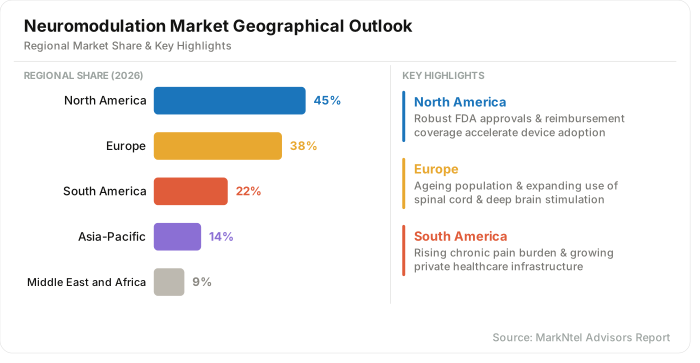
- North America accounts for the largest regional share at 45% of total Global neuromodulation demand.
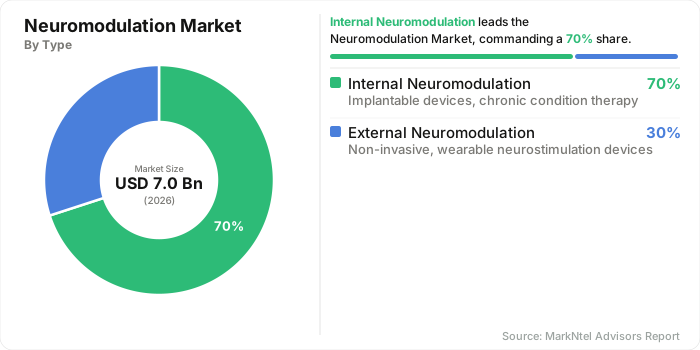
- Internal neuromodulation accounts for approximately 70% of the market share by type, driven by its higher clinical efficacy and long-term therapeutic benefits compared to external alternatives
- Electrical stimulation dominates the neuromodulation technology segment with approximately 80% market share, primarily due to its broad clinical applicability and proven effectiveness across multiple neurological and pain-related disorders.
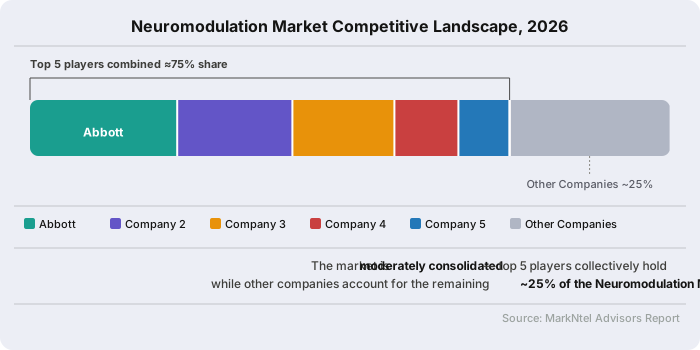
- The market is moderately consolidated, with a strong presence of established medical device giants alongside emerging neurotechnology innovators operating across implantable neuromodulation systems, non-invasive stimulation devices, and next-generation closed-loop neurostimulation platforms. The leading players collectively account for an estimated 75% share.
Global Neuromodulation Market Size and Outlook
The Global Neuromodulation Market is expected to grow at a CAGR of 12.11% during the forecast period (2026–2032), driven by the increasing prevalence of neurological and neuropsychiatric disorders, including chronic pain, epilepsy, migraine, Parkinson’s disease, depression, and treatment-resistant psychiatric conditions. Additionally, the rising adoption of minimally invasive treatment approaches, continuous advancements in neurostimulation technologies, expanding applications of implantable devices, and growing awareness regarding alternative pain management therapies are further supporting market expansion
This growing disease burden has directly increased the demand for advanced neurotherapeutic solutions, particularly implantable and external neuromodulation devices that deliver targeted electrical or magnetic stimulation to specific nerves or brain regions. For instance, spinal cord stimulation systems such as those developed by companies like Medtronic and Abbott are widely used for chronic pain management, while deep brain stimulation (DBS) devices are increasingly applied in Parkinson’s disease and essential tremor cases.
Another key growth driver is the increasing preference for minimally invasive and non-pharmacological treatment approaches. Patients are progressively shifting away from long-term drug dependence due to side effects and limited efficacy in chronic neurological conditions. This has strengthened adoption of technologies such as transcranial magnetic stimulation (TMS), used for depression treatment, and vagus nerve stimulation (VNS), applied in epilepsy and treatment-resistant depression. For example, LivaNova has established a strong presence in VNS therapy solutions.
In parallel, the market is being strongly influenced by rising investments in research and development. Companies are actively focusing on next-generation neuromodulation systems that are smaller, closed-loop, and more adaptive. A notable example is the development of adaptive DBS systems by Boston Scientific, which adjust stimulation in real time based on patient neural signals, improving treatment precision. Similarly, emerging firms are exploring wearable neuromodulation devices for at-home therapy, expanding the application base beyond clinical settings.
Another structural trend is the expected surge in neurological disorders due to global population aging. Older populations are more susceptible to conditions such as Parkinson’s disease, Alzheimer’s-related symptoms, and chronic neuropathic pain, which is accelerating demand for long-term neuromodulation therapies. Additionally, growing awareness about mental health and neurological conditions is improving early diagnosis rates, further widening the patient pool.
Overall, the Global Neuromodulation Market is projected to grow from USD 7.0 billion in 2026 to USD 13.9 billion by 2032, supported by continuous innovation, expanding clinical applications beyond pain management into psychiatry and cognitive disorders, and increasing acceptance of device-based therapies. These factors are collectively strengthening the long-term growth outlook of the neuromodulation market.
Global Neuromodulation Industry Key Indicators
- According to the World Health Organization (WHO), neurological conditions affect more than three billion people worldwide and rank as the leading cause of disability globally, with the total health burden rising 18% since 1990, as published in the WHO Global Status Report on Neurology in March 2024. This scale of disease burden establishes neuromodulation therapies targeting epilepsy, Parkinson's disease, chronic pain, and depression as clinically necessary interventions rather than elective, sustaining consistent procedural demand across hospital systems in both developed and emerging markets.
- The WHO reports that approximately 50 million people worldwide have active epilepsy, with nearly five million new cases diagnosed annually and fewer than one-third of patients in low- and middle-income countries receive adequate pharmacological treatment. The resulting treatment gap creates sustained procedural demand for implantable neuromodulation devices, particularly vagus nerve stimulation (VNS) and responsive neurostimulation (RNS) systems indicated for drug-resistant epilepsy, which together address the segment of patients exhausted by antiseizure medications.
- The FDA cleared or approved multiple neuromodulation devices in 2024 and 2025, including an adaptive stimulation feature for Medtronic's deep brain stimulation platform and Medtronic's Inceptiv closed-loop spinal cord stimulator, as well as clearing the Delphi-MD System for TMS-evoked cortical response mapping. Each new clearance expands both the procedural indications available to neurologists and pain specialists and the technological specifications that clinical buyers can procure, increasing average device unit values and broadening the qualifying patient census across existing hospital neuromodulation programmes.
| Category | Segments |
|---|---|
| By Type | Internal Neuromodulation (Spinal Cord Stimulation, Deep Brain Stimulation, Vagus Nerve Stimulation, Sacral Nerve Stimulation, Gastric Electrical Stimulation), External Neuromodulation (Transcutaneous Electrical Nerve Stimulation (TENS), Transcranial Magnetic Stimulation (TMS), Respiratory Electrical Stimulation |
| By Application | Neuromodulation for Spinal Cord Stimulation (Chronic Pain, Failed Back Surgery Syndrome (FBSS), Ischemia), Neuromodulation for Deep Brain Stimulation (Parkinson’s Disease, Tremors, Depression, Others), Neuromodulation for Sacral Nerve Stimulation (Urinary Incontinence, Fecal Incontinence, Neuromodulation for Vagus Nerve Stimulation, Epilepsy, Others), Neuromodulation for Gastric Electrical Stimulation (Gastroparesis, Obesity, Neuromodulation for Transcutaneous Electrical Nerve Stimulation (TENS), Treatment-Resistant Depression, Others), Neuromodulation for Transcranial Magnetic Stimulation (TMS) (Depression, Migraine), Neuromodulation for Respiratory Electrical Stimulation (Spinal Cord Injury |
| By Technology | Electrical Stimulation (Spinal Cord Stimulation (SCS), Deep Brain Stimulation (DBS), Sacral Nerve Stimulation (SNS), Vagus Nerve Stimulation (VNS), TENS devices), Magnetic Stimulation (Transcranial Magnetic Stimulation (TMS), Repetitive TMS (rTMS)), Chemical / Drug-Based Neuromodulation (Intrathecal drug delivery systems, Targeted neurochemical modulation therapies), Combination / Hybrid Systems (Closed-loop neuromodulation devices, Adaptive stimulation systems (AI-enabled neuromodulation |
| By End User | Hospitals, Specialty Clinics, Ambulatory Surgical Centers (ASCs), Homecare Settings |
| By Procedure Type | Implantable Procedures (Permanent device implantation (DBS, SCS, VNS, SNS), Battery-powered internal systems), Non-Implantable Procedures (External stimulation (TENS, TMS), Short-term therapy sessions |
Global Neuromodulation Industry Growth Driver
Increasing Instances of Depression to Drive Market Growth
The rising global burden of depression is emerging as a key driver for the neuromodulation market. According to the World Health Organization (WHO), more than 332 million people worldwide are affected by depression, making it one of the leading causes of disability globally. The condition has further intensified in recent years, with WHO reporting a 25% increase in anxiety and depression cases during the COVID-19 pandemic, driven by social isolation, economic uncertainty, and disrupted healthcare access.
At the same time, healthcare systems in several regions remain underdeveloped in terms of mental health infrastructure, leading to significant treatment gaps. A large share of patients with depression, particularly those with treatment-resistant conditions, do not respond adequately to conventional drug therapies. This has increased reliance on advanced neuromodulation techniques such as transcranial magnetic stimulation (TMS) and vagus nerve stimulation (VNS), which are clinically validated alternatives for managing resistant depression cases.
Looking ahead, the prevalence of depression is expected to continue rising due to sedentary lifestyles, increasing work-related stress, and expanding urban populations engaged in high-pressure desk-based jobs. Combined with growing awareness of mental health disorders and improved diagnosis rates, these factors are expected to significantly expand the patient pool requiring neuromodulation-based therapies, thereby driving sustained market growth in the coming years.
Recent Trends
Expansion of Closed-Loop and Adaptive Neuromodulation Systems
A key structural trend reshaping the neuromodulation market is the rapid shift toward closed-loop and adaptive stimulation systems. This has emerged due to advancements in neural sensing, AI integration, and improved implantable device capabilities that allow real-time feedback-based therapy adjustments. The U.S. Food and Drug Administration (FDA) approvals of advanced deep brain stimulation (DBS) systems reflect this transition toward more precise, patient-responsive treatment models. These developments are driven by increasing clinical demand for improved outcomes in treatment-resistant neurological disorders such as Parkinson’s disease and epilepsy.
This trend is causing significant structural changes across the neuromodulation value chain, particularly in device design, clinical workflows, and data integration systems. Manufacturers are shifting from open-loop devices to AI-enabled platforms that adjust stimulation based on neural biomarkers. For instance, Developed BrainSense Adaptive Deep Brain Stimulation (aDBS) system, first commercial system that automatically adjusts stimulation in real time based on brain signals, It is FDA approved in 2025 for Parkinson’s disease representing largest real-world deployment of adaptive DBS technology.
Moreover, in 2025, an Italy-based neuromodulation company, has established partnerships with leading European neuroscience research hospitals to advance next-generation brain stimulation therapies. Its AlphaDBS closed-loop system has been developed through close collaboration with clinical neuroscience institutes, combining engineering expertise with real-world neurological research. These partnerships enable real-time adjustment of neural stimulation based on patient brain activity, improving therapeutic precision in conditions such as Parkinson’s disease.
Clinical research evidence from the National Institutes of Health (NIH) shows that closed-loop neuromodulation systems improve symptom control efficiency compared to conventional stimulation methods, reinforcing their adoption in specialized neurological care centers. As healthcare systems prioritize precision medicine and outcome-based treatment models, regulatory approvals and reimbursement frameworks are increasingly supporting these advanced systems. This structural alignment is expected to sustain long-term adoption, positioning adaptive neuromodulation as a core standard in neurological disorder management.
Neuromodulation Market Challenges and Opportunities
High-Cost Barriers and Expanding Access to Advanced Neuromodulation Therapies
A major challenge in the neuromodulation market is the high cost of implantable devices, surgical procedures, and long-term therapy management, which limits adoption across low- and middle-income regions. Advanced systems such as deep brain stimulation (DBS) and spinal cord stimulation require specialized surgical infrastructure and trained neurologists, creating a strong dependency on developed healthcare systems. According to the U.S. National Institutes of Health (NIH), neuromodulation therapies involve complex implantation procedures and continuous clinical programming, which significantly increases overall treatment costs and restricts widespread accessibility. For instance, Deep Brain Stimulation (DBS) procedures can cost USD 50,000–USD 100,000 per patient including surgery and follow-up care. This creates major affordability issues, especially in low- and middle-income countries.
However, this challenge is simultaneously creating a strong market opportunity through the expansion of cost-effective, minimally invasive, and wearable neuromodulation solutions. Companies are increasingly developing non-implantable devices such as transcutaneous electrical nerve stimulation (TENS) and external vagus nerve stimulation systems to reduce procedural dependency. For example, in 2025 Brains way invested in Neurolief, which is developing a wearable, non-invasive neuromodulation system for at-home treatment of depression and migraine. This reflects a structural shift toward decentralized mental health treatment models, reducing dependence on clinical settings.
In addition, governments and healthcare systems are gradually improving reimbursement frameworks for neuromodulation therapies in developed regions, particularly for treatment-resistant neurological disorders. For instance, DBS is approved as a medically reimbursable neuro-implant procedure under CGHS (Central Government Health Scheme) and ECHS (Ex-Servicemen Contributory Health Scheme). The Ministry of Health & Family Welfare has revised cost ceilings and approved structured. This is encouraging wider clinical adoption and supporting investment in next-generation adaptive and closed-loop devices. As innovation continues to reduce device size, improve battery efficiency, and enable remote programming, neuromodulation therapies are expected to become more accessible, unlocking significant growth potential in underserved markets globally.
Segmentation Analysis
Internal Neuromodulation Lead the Industry with Significant Market Share
Internal neuromodulation holds a leading market share of approximately 70%, primarily due to its ability to provide direct, precise, and long-term neural modulation. Its superior therapeutic effectiveness, targeted stimulation capabilities, and sustained clinical outcomes continue to position internal systems ahead of external neuromodulation technologies.
A major demand-side driver is the rising burden of Parkinson’s disease, epilepsy, chronic pain, and movement disorders, where therapies like spinal cord stimulation and deep brain stimulation (DBS) are clinically preferred when drugs fail. DBS alone is widely adopted because it targets deep brain circuits with high accuracy and adjustable stimulation, making it a standard option in advanced neurological care pathways. Additionally, companies such as Medtronic, Abbott, and Boston Scientific dominate global neuromodulation with advanced implantable systems, closed-loop feedback devices, and directional lead technologies that improve safety and outcomes.
For instance, Aboot products like Abbott’s Eterna™ SCS system is designed to significantly reduce patient maintenance burden through an ultra-low recharge requirement, often needing only a few charging sessions per year. This design improves long-term therapy adherence and enhances patient convenience in chronic pain management scenarios and Proclaim™ XR SCS system is a fully implantable, no-recharge device that utilizes Abbott’s proprietary BurstDR™ waveform technology. This waveform is engineered to replicate natural neural firing patterns, enabling effective pain relief without producing paresthesia, thereby improving patient comfort and therapy acceptance.
Policy and healthcare infrastructure further strengthen adoption. Favorable reimbursement frameworks in North America and Europe, combined with increasing neurosurgical capacity in hospitals, support high-volume implantation of internal devices. Large clinical hospital networks prefer implantable solutions due to predictable long-term outcomes and reduced repeat intervention costs. At the same time, rising investment in minimally invasive neurosurgical procedures and neurotechnology trials continues to expand clinical acceptance, ensuring internal neuromodulation remains the dominant and most advanced therapeutic pathway globally. By type the market is further segmented into following categories:
- Internal Neuromodulation
- Spinal Cord Stimulation
- Deep Brain Stimulation
- Vagus Nerve Stimulation
- Sacral Nerve Stimulation
- Gastric Electrical Stimulation
- External Neuromodulation
- Transcutaneous Electrical Nerve Stimulation (TENS)
- Transcranial Magnetic Stimulation (TMS)
- Respiratory Electrical Stimulation
Technology Differentiation in Electrical Neuromodulation Systems
Electrical stimulation dominates the neuromodulation market with a market share of 80% due to its broad clinical applicability, proven therapeutic efficacy, and strong integration into standard neurological treatment pathways. Technologies such as SCS, DBS, VNS, and SNS directly modulate neural circuits without systemic drug exposure, making them highly preferred for chronic conditions like Parkinson’s disease, epilepsy, and intractable pain. Compared to chemical or hybrid systems, electrical stimulation provides immediate adjustability, reversible intervention, and lower long-term pharmacological risk, which strengthens its clinical positioning across hospitals and specialty neurology centers.
On the supply side, dominance is reinforced by sustained innovation from companies such as Boston Scientific, which continuously upgrade implantable pulse generators, directional leads, and waveform programming. Boston Scientific’s WaveWriter Alpha™ SCS system integrates multiple stimulation modes (sub-perception and paresthesia-based therapy) to personalize pain control. Its FAST™ therapy enables rapid pain relief within minutes, while innovations like Infinion™ 16-contact directional leads allow highly targeted spinal cord coverage, improving clinical precision and reducing therapy failure rates. .
End-user demand is driven by increasing prevalence of neurological disorders, aging populations, and rising surgical acceptance of implantable therapies. Hospitals prefer electrical stimulation because it offers predictable outcomes and reduces dependence on long-term drug regimens. Additionally, expanding neurosurgical infrastructure in emerging economies and growing clinical evidence supporting long-term symptom control ensure sustained adoption. As a result, electrical stimulation remains the core and most commercially mature segment within neuromodulation technologies globally. By technology type, the market is further sub-divided into following categories:
- Electrical Stimulation
- Magnetic Stimulation
- Chemical / Drug-Based Neuromodulation
- Combination / Hybrid Systems
Global Neuromodulation Market Geographical Analysis
North America leads the global neuromodulation market with 45% market share, due to its highly advanced healthcare infrastructure and strong concentration of specialized neurology and neurosurgery centers. The region also has a dense network of specialized neurology and neurosurgery centers, which accelerates clinical adoption of spinal cord stimulation (SCS) and deep brain stimulation (DBS).
High procedural volumes and early access to advanced therapies further strengthen demand concentration in this region. This infrastructure advantage creates a clear gap versus Europe and Asia-Pacific in adoption intensity.
Regulatory frameworks strongly reinforce North America’s leadership through faster approvals and structured reimbursement pathways. The U.S. FDA Breakthrough Devices Program accelerates commercialization of advanced neuromodulation systems, including adaptive DBS and closed-loop SCS technologies.
Demand-side strength is driven by a high prevalence of neurological disorders and chronic pain conditions. Rising incidence of Parkinson’s disease, epilepsy, and depression further expands the use of DBS and VNS devices. This sustained clinical burden ensures consistent procedural demand across hospitals and ambulatory surgical centers.
North America also benefits from strong industry concentration and innovation leadership. In spinal cord stimulation, the company launched Inceptiv™ closed-loop SCS, which automatically adjusts stimulation in real time based on spinal neural feedback, reducing overstimulation during movement and improving pain control consistency. These innovations position Medtronic as a leader in adaptive neuromodulation ecosystems.
Global Neuromodulation Market Competitive Landscape
The global neuromodulation market is moderately consolidated, with a strong presence of established medical device giants alongside emerging neurotechnology innovators operating across implantable neuromodulation systems, non-invasive stimulation devices, and next-generation closed-loop neurostimulation platforms. The leading players, Medtronic, Boston Scientific Corporation, Abbott (St. Jude Medical), LivaNova PLC, and NeuroPace Inc., collectively account for an estimated 75% of the global neuromodulation market share.
Major key players in Neuromodulation Industry
- Abbott (St. Jude Medical)
- Medtronic
- Boston Scientific Corporation
- Aleva Neurotherapeutics
- Nexstim
- LivaNova PLC
- NeuroPace Inc.
- Mainstay Medical
- Saluda Medical Pty Ltd
- Biotronik
- electroCore, Inc.
- MicroTransponder Inc.
- tVNS Technologies GmbH
- Laborie
Global Neuromodulation Market News and Recent Developments
2024: Theranica and Dr. Reddy’s launch Nerivio in Germany for drug-free migraine neuromodulation
Theranica and Betapharm (Dr. Reddy’s subsidiary) launched Nerivio in Germany. Nerivio is a wearable, drug-free neuromodulation device for migraine treatment. It uses remote electrical stimulation applied to the upper arm to activate pain modulation pathways. The launch expands access to non-pharmacological migraine therapy in Europe. It targets patients seeking alternatives to traditional migraine drugs.
Impact analysis: This strengthens the digital therapeutics + neuromodulation convergence trend. It expands wearable neuromodulation adoption in Europe’s migraine treatment segment. Pharma-device partnerships (like Dr. Reddy’s + Theranica) become more common. It increases reimbursement and regulatory acceptance of wearable neurostimulation. Overall, it boosts the non-invasive neuromodulation segment within chronic pain care.
2025: Resonetics completes acquisition of Resolution Medical to expand interventional & neuromodulation capabilities
Resonetics has acquired Resolution Medical to strengthen its end-to-end capabilities in interventional devices and neuromodulation components. The deal expands its ability to support device OEMs from prototyping to full-scale manufacturing. It focuses on high-growth areas like neurostimulation catheters, delivery systems, and implantable components. The integration improves precision manufacturing for complex minimally invasive neuro devices. It also strengthens supply chain control in advanced medical device engineering.
Impact Analysis: This increases vertical integration in neuromodulation supply chains, reducing dependency on fragmented suppliers. It accelerates commercialization timelines for implantable and interventional neuromodulation devices. OEMs gain faster access to advanced catheter and implant manufacturing capabilities. It raises competition among medtech CDMOs to enter neuromodulation manufacturing. Overall, it supports faster scaling of spinal cord, DBS, and peripheral nerve stimulation markets globally.
2025: Cognito neuromodulation therapy shows potential to slow Alzheimer’s disease progression
A clinical study presented at AAIC showed Cognito’s neuromodulation therapy may slow cognitive decline in Alzheimer’s patients. The approach targets brain network stimulation to improve memory and cognitive function. It uses non-invasive or minimally invasive stimulation protocols to modulate neural circuits. Early results suggest improvements in cognitive stability compared to control groups. It represents a shift toward neuromodulation in neurodegenerative disease management.
Impact analysis: This expands neuromodulation beyond pain into neurodegenerative disease treatment. It strengthens demand for brain-targeted stimulation systems (DBS alternatives, TMS-like tech). Pharma pipelines may increasingly integrate neuromodulation + drug combinations.
It increases R&D investment in Alzheimer’s and dementia neurostimulation therapies. Overall, it significantly broadens the addressable market for brain neuromodulation devices.
2026: Nexalin advances HALO deep brain neuromodulation trials for insomnia and CNS disorders
Nexalin is progressing clinical trials for its HALO neurostimulation device targeting insomnia.The device uses non-invasive deep brain stimulation to regulate neural activity.A pivotal trial is underway to support FDA De Novo submission.The study includes patient recruitment and structured neurological outcome tracking.The technology aims to offer drug-free alternatives for sleep and CNS disorders.
Impact analysis: This strengthens non-invasive deep brain stimulation (DBS) competition. It expands neuromodulation into sleep disorders, a large underserved market. Regulatory progress (FDA De Novo pathway) supports faster commercialization pathways. It increases investor confidence in non-invasive brain stimulation platforms. Overall, it accelerates diversification of neuromodulation beyond implanted devices.
Frequently Asked Questions
- Market Segmentation
- Introduction
- Product Definition
- Research Process
- Assumptions
- Executive Summary
- Global Neuromodulation Market Policies, Regulations, and Product Standards
- Global Neuromodulation Market Trends & Developments
- Global Neuromodulation Market Dynamics
- Growth Factors
- Challenges
- Global Neuromodulation Market Hotspot & Opportunities
- Global Neuromodulation Market Outlook, 2022-2032F
- Market Size & Outlook
- By Revenues (USD Million)
- Market Share & Analysis
- By Type- Market Size & Forecast 2022-2032, USD Million
- Internal Neuromodulation
- Spinal Cord Stimulation
- Deep Brain Stimulation
- Vagus Nerve Stimulation
- Sacral Nerve Stimulation
- Gastric Electrical Stimulation
- External Neuromodulation
- Transcutaneous Electrical Nerve Stimulation (TENS)
- Transcranial Magnetic Stimulation (TMS)
- Respiratory Electrical Stimulation
- Internal Neuromodulation
- By Type- Market Size & Forecast 2022-2032, USD Million
- By Application- Market Size & Forecast 2022-2032, USD Million
- Neuromodulation for Spinal Cord Stimulation
- Chronic Pain
- Failed Back Surgery Syndrome (FBSS)
- Ischemia
- Neuromodulation for Deep Brain Stimulation
- Parkinson’s Disease
- Tremors
- Depression
- Others
- Neuromodulation for Sacral Nerve Stimulation
- Urinary Incontinence
- Fecal Incontinence
- Neuromodulation for Vagus Nerve Stimulation
- Epilepsy
- Others
- Neuromodulation for Gastric Electrical Stimulation
- Gastroparesis
- Obesity
- Neuromodulation for Transcutaneous Electrical Nerve Stimulation (TENS)
- Treatment-Resistant Depression
- Others
- Neuromodulation for Transcranial Magnetic Stimulation (TMS)
- Depression
- Migraine
- Neuromodulation for Respiratory Electrical Stimulation
- Spinal Cord Injury
- Neuromodulation for Spinal Cord Stimulation
- By Technology- Market Size & Forecast 2022-2032, USD Million
- Electrical Stimulation
- Spinal Cord Stimulation (SCS)
- Deep Brain Stimulation (DBS)
- Sacral Nerve Stimulation (SNS)
- Vagus Nerve Stimulation (VNS)
- TENS devices
- Magnetic Stimulation
- Transcranial Magnetic Stimulation (TMS)
- Repetitive TMS (rTMS)
- Chemical / Drug-Based Neuromodulation
- Intrathecal drug delivery systems
- Targeted neurochemical modulation therapies
- Combination / Hybrid Systems
- Closed-loop neuromodulation devices
- Adaptive stimulation systems (AI-enabled neuromodulation)
- Electrical Stimulation
- By End User- Market Size & Forecast 2022-2032, USD Million
- Hospitals
- Specialty Clinics
- Ambulatory Surgical Centers (ASCs)
- Homecare Settings
- By Procedure Type- Market Size & Forecast 2022-2032, USD Million
- Implantable Procedures
- Permanent device implantation (DBS, SCS, VNS, SNS)
- Battery-powered internal systems
- Non-Implantable Procedures
- External stimulation (TENS, TMS)
- Short-term therapy sessions
- Implantable Procedures
- By region
- North America
- South America
- Europe
- The Middle East & Africa
- Asia-Pacific
- By Company
- Competition Characteristics
- Market Share & Analysis
- Market Size & Outlook
- North America Neuromodulation Market Outlook, 2022-2032F
- Market Size & Outlook
- By Revenues (USD Million)
- Market Share & Analysis
- By Type- Market Size & Forecast 2022-2032, USD Million
- By Application- Market Size & Forecast 2022-2032, USD Million
- By Technology- Market Size & Forecast 2022-2032, USD Million
- By End User- Market Size & Forecast 2022-2032, USD Million
- By Procedure Type- Market Size & Forecast 2022-2032, USD Million
- By Country
- The US
- Canada
- Mexico
- Cuba
- Rest of North America
- The US Neuromodulation Market Outlook, 2022-2032F
- Market Size & Outlook
- By Revenues (USD Million)
- Market Share & Analysis
- By Type- Market Size & Forecast 2022-2032, USD Million
- By Application- Market Size & Forecast 2022-2032, USD Million
- By Technology- Market Size & Forecast 2022-2032, USD Million
- By End User- Market Size & Forecast 2022-2032, USD Million
- By Procedure Type- Market Size & Forecast 2022-2032, USD Million
- Market Size & Outlook
- Canada Neuromodulation Market Outlook, 2022-2032F
- Market Size & Outlook
- By Revenues (USD Million)
- Market Share & Analysis
- By Type- Market Size & Forecast 2022-2032, USD Million
- By Application- Market Size & Forecast 2022-2032, USD Million
- By Technology- Market Size & Forecast 2022-2032, USD Million
- By End User- Market Size & Forecast 2022-2032, USD Million
- By Procedure Type- Market Size & Forecast 2022-2032, USD Million
- Market Size & Outlook
- Mexico Neuromodulation Market Outlook, 2022-2032F
- Market Size & Outlook
- By Revenues (USD Million)
- Market Share & Analysis
- By Type- Market Size & Forecast 2022-2032, USD Million
- By Application- Market Size & Forecast 2022-2032, USD Million
- By Technology- Market Size & Forecast 2022-2032, USD Million
- By End User- Market Size & Forecast 2022-2032, USD Million
- By Procedure Type- Market Size & Forecast 2022-2032, USD Million
- Market Size & Outlook
- Cuba Neuromodulation Market Outlook, 2022-2032F
- Market Size & Outlook
- By Revenues (USD Million)
- Market Share & Analysis
- By Type- Market Size & Forecast 2022-2032, USD Million
- By Application- Market Size & Forecast 2022-2032, USD Million
- By Technology- Market Size & Forecast 2022-2032, USD Million
- By End User- Market Size & Forecast 2022-2032, USD Million
- By Procedure Type- Market Size & Forecast 2022-2032, USD Million
- Market Size & Outlook
- Market Size & Outlook
- South America Neuromodulation Market Outlook, 2022-2032F
- Market Size & Outlook
- By Revenues (USD Million)
- Market Share & Analysis
- By Type- Market Size & Forecast 2022-2032, USD Million
- By Application- Market Size & Forecast 2022-2032, USD Million
- By Technology- Market Size & Forecast 2022-2032, USD Million
- By End User- Market Size & Forecast 2022-2032, USD Million
- By Procedure Type- Market Size & Forecast 2022-2032, USD Million
- By Country
- Brazil
- Argentina
- Chile
- Colombia
- Peru
- Ecuador
- Uruguay
- Rest of South America
- Brazil Neuromodulation Market Outlook, 2022-2032F
- Market Size & Outlook
- By Revenues (USD Million)
- Market Share & Analysis
- By Type- Market Size & Forecast 2022-2032, USD Million
- By Application- Market Size & Forecast 2022-2032, USD Million
- By Technology- Market Size & Forecast 2022-2032, USD Million
- By End User- Market Size & Forecast 2022-2032, USD Million
- By Procedure Type- Market Size & Forecast 2022-2032, USD Million
- Market Size & Outlook
- Argentina Neuromodulation Market Outlook, 2022-2032F
- Market Size & Outlook
- By Revenues (USD Million)
- Market Share & Analysis
- By Type- Market Size & Forecast 2022-2032, USD Million
- By Application- Market Size & Forecast 2022-2032, USD Million
- By Technology- Market Size & Forecast 2022-2032, USD Million
- By End User- Market Size & Forecast 2022-2032, USD Million
- By Procedure Type- Market Size & Forecast 2022-2032, USD Million
- Market Size & Outlook
- Chile Neuromodulation Market Outlook, 2022-2032F
- Market Size & Outlook
- By Revenues (USD Million)
- Market Share & Analysis
- By Type- Market Size & Forecast 2022-2032, USD Million
- By Application- Market Size & Forecast 2022-2032, USD Million
- By Technology- Market Size & Forecast 2022-2032, USD Million
- By End User- Market Size & Forecast 2022-2032, USD Million
- By Procedure Type- Market Size & Forecast 2022-2032, USD Million
- Market Size & Outlook
- Colombia Neuromodulation Market Outlook, 2022-2032F
- Market Size & Outlook
- By Revenues (USD Million)
- Market Share & Analysis
- By Type- Market Size & Forecast 2022-2032, USD Million
- By Application- Market Size & Forecast 2022-2032, USD Million
- By Technology- Market Size & Forecast 2022-2032, USD Million
- By End User- Market Size & Forecast 2022-2032, USD Million
- By Procedure Type- Market Size & Forecast 2022-2032, USD Million
- Market Size & Outlook
- Peru Neuromodulation Market Outlook, 2022-2032F
- Market Size & Outlook
- By Revenues (USD Million)
- Market Share & Analysis
- By Type- Market Size & Forecast 2022-2032, USD Million
- By Application- Market Size & Forecast 2022-2032, USD Million
- By Technology- Market Size & Forecast 2022-2032, USD Million
- By End User- Market Size & Forecast 2022-2032, USD Million
- By Procedure Type- Market Size & Forecast 2022-2032, USD Million
- Market Size & Outlook
- Ecuador Neuromodulation Market Outlook, 2022-2032F
- Market Size & Outlook
- By Revenues (USD Million)
- Market Share & Analysis
- By Type- Market Size & Forecast 2022-2032, USD Million
- By Application- Market Size & Forecast 2022-2032, USD Million
- By Technology- Market Size & Forecast 2022-2032, USD Million
- By End User- Market Size & Forecast 2022-2032, USD Million
- By Procedure Type- Market Size & Forecast 2022-2032, USD Million
- Market Size & Outlook
- Uruguay Neuromodulation Market Outlook, 2022-2032F
- Market Size & Outlook
- By Revenues (USD Million)
- Market Share & Analysis
- By Type- Market Size & Forecast 2022-2032, USD Million
- By Application- Market Size & Forecast 2022-2032, USD Million
- By Technology- Market Size & Forecast 2022-2032, USD Million
- By End User- Market Size & Forecast 2022-2032, USD Million
- By Procedure Type- Market Size & Forecast 2022-2032, USD Million
- Market Size & Outlook
- Market Size & Outlook
- Europe Neuromodulation Market Outlook, 2022-2032F
- Market Size & Outlook
- By Revenues (USD Million)
- Market Share & Analysis
- By Type- Market Size & Forecast 2022-2032, USD Million
- By Application- Market Size & Forecast 2022-2032, USD Million
- By Technology- Market Size & Forecast 2022-2032, USD Million
- By End User- Market Size & Forecast 2022-2032, USD Million
- By Procedure Type- Market Size & Forecast 2022-2032, USD Million
- By Country
- The UK
- Germany
- France
- Italy
- Spain
- Netherlands
- Switzerland
- Sweden
- Belgium
- Poland
- Norway
- Austria
- Denmark
- Ireland
- Portugal
- Rest of Europe
- The UK Neuromodulation Market Outlook, 2022-2032F
- Market Size & Outlook
- By Revenues (USD Million)
- Market Share & Analysis
- By Type- Market Size & Forecast 2022-2032, USD Million
- By Application- Market Size & Forecast 2022-2032, USD Million
- By Technology- Market Size & Forecast 2022-2032, USD Million
- By End User- Market Size & Forecast 2022-2032, USD Million
- By Procedure Type- Market Size & Forecast 2022-2032, USD Million
- Market Size & Outlook
- Germany Neuromodulation Market Outlook, 2022-2032F
- Market Size & Outlook
- By Revenues (USD Million)
- Market Share & Analysis
- By Type- Market Size & Forecast 2022-2032, USD Million
- By Application- Market Size & Forecast 2022-2032, USD Million
- By Technology- Market Size & Forecast 2022-2032, USD Million
- By End User- Market Size & Forecast 2022-2032, USD Million
- By Procedure Type- Market Size & Forecast 2022-2032, USD Million
- Market Size & Outlook
- France Neuromodulation Market Outlook, 2022-2032F
- Market Size & Outlook
- By Revenues (USD Million)
- Market Share & Analysis
- By Type- Market Size & Forecast 2022-2032, USD Million
- By Application- Market Size & Forecast 2022-2032, USD Million
- By Technology- Market Size & Forecast 2022-2032, USD Million
- By End User- Market Size & Forecast 2022-2032, USD Million
- By Procedure Type- Market Size & Forecast 2022-2032, USD Million
- Market Size & Outlook
- Italy Neuromodulation Market Outlook, 2022-2032F
- Market Size & Outlook
- By Revenues (USD Million)
- Market Share & Analysis
- By Type- Market Size & Forecast 2022-2032, USD Million
- By Application- Market Size & Forecast 2022-2032, USD Million
- By Technology- Market Size & Forecast 2022-2032, USD Million
- By End User- Market Size & Forecast 2022-2032, USD Million
- By Procedure Type- Market Size & Forecast 2022-2032, USD Million
- Market Size & Outlook
- Spain Neuromodulation Market Outlook, 2022-2032F
- Market Size & Outlook
- By Revenues (USD Million)
- Market Share & Analysis
- By Type- Market Size & Forecast 2022-2032, USD Million
- By Application- Market Size & Forecast 2022-2032, USD Million
- By Technology- Market Size & Forecast 2022-2032, USD Million
- By End User- Market Size & Forecast 2022-2032, USD Million
- By Procedure Type- Market Size & Forecast 2022-2032, USD Million
- Market Size & Outlook
- Netherlands Neuromodulation Market Outlook, 2022-2032F
- Market Size & Outlook
- By Revenues (USD Million)
- Market Share & Analysis
- By Type- Market Size & Forecast 2022-2032, USD Million
- By Application- Market Size & Forecast 2022-2032, USD Million
- By Technology- Market Size & Forecast 2022-2032, USD Million
- By End User- Market Size & Forecast 2022-2032, USD Million
- By Procedure Type- Market Size & Forecast 2022-2032, USD Million
- Market Size & Outlook
- Switzerland Neuromodulation Market Outlook, 2022-2032F
- Market Size & Outlook
- By Revenues (USD Million)
- Market Share & Analysis
- By Type- Market Size & Forecast 2022-2032, USD Million
- By Application- Market Size & Forecast 2022-2032, USD Million
- By Technology- Market Size & Forecast 2022-2032, USD Million
- By End User- Market Size & Forecast 2022-2032, USD Million
- By Procedure Type- Market Size & Forecast 2022-2032, USD Million
- Market Size & Outlook
- Sweden Neuromodulation Market Outlook, 2022-2032F
- Market Size & Outlook
- By Revenues (USD Million)
- Market Share & Analysis
- By Type- Market Size & Forecast 2022-2032, USD Million
- By Application- Market Size & Forecast 2022-2032, USD Million
- By Technology- Market Size & Forecast 2022-2032, USD Million
- By End User- Market Size & Forecast 2022-2032, USD Million
- By Procedure Type- Market Size & Forecast 2022-2032, USD Million
- Market Size & Outlook
- Belgium Neuromodulation Market Outlook, 2022-2032F
- Market Size & Outlook
- By Revenues (USD Million)
- Market Share & Analysis
- By Type- Market Size & Forecast 2022-2032, USD Million
- By Application- Market Size & Forecast 2022-2032, USD Million
- By Technology- Market Size & Forecast 2022-2032, USD Million
- By End User- Market Size & Forecast 2022-2032, USD Million
- By Procedure Type- Market Size & Forecast 2022-2032, USD Million
- Market Size & Outlook
- Poland Neuromodulation Market Outlook, 2022-2032F
- Market Size & Outlook
- By Revenues (USD Million)
- Market Share & Analysis
- By Type- Market Size & Forecast 2022-2032, USD Million
- By Application- Market Size & Forecast 2022-2032, USD Million
- By Technology- Market Size & Forecast 2022-2032, USD Million
- By End User- Market Size & Forecast 2022-2032, USD Million
- By Procedure Type- Market Size & Forecast 2022-2032, USD Million
- Market Size & Outlook
- Norway Neuromodulation Market Outlook, 2022-2032F
- Market Size & Outlook
- By Revenues (USD Million)
- Market Share & Analysis
- By Type- Market Size & Forecast 2022-2032, USD Million
- By Application- Market Size & Forecast 2022-2032, USD Million
- By Technology- Market Size & Forecast 2022-2032, USD Million
- By End User- Market Size & Forecast 2022-2032, USD Million
- By Procedure Type- Market Size & Forecast 2022-2032, USD Million
- Market Size & Outlook
- Austria Neuromodulation Market Outlook, 2022-2032F
- Market Size & Outlook
- By Revenues (USD Million)
- Market Share & Analysis
- By Type- Market Size & Forecast 2022-2032, USD Million
- By Application- Market Size & Forecast 2022-2032, USD Million
- By Technology- Market Size & Forecast 2022-2032, USD Million
- By End User- Market Size & Forecast 2022-2032, USD Million
- By Procedure Type- Market Size & Forecast 2022-2032, USD Million
- Market Size & Outlook
- Denmark Neuromodulation Market Outlook, 2022-2032F
- Market Size & Outlook
- By Revenues (USD Million)
- Market Share & Analysis
- By Type- Market Size & Forecast 2022-2032, USD Million
- By Application- Market Size & Forecast 2022-2032, USD Million
- By Technology- Market Size & Forecast 2022-2032, USD Million
- By End User- Market Size & Forecast 2022-2032, USD Million
- By Procedure Type- Market Size & Forecast 2022-2032, USD Million
- Market Size & Outlook
- Ireland Neuromodulation Market Outlook, 2022-2032F
- Market Size & Outlook
- By Revenues (USD Million)
- Market Share & Analysis
- By Type- Market Size & Forecast 2022-2032, USD Million
- By Application- Market Size & Forecast 2022-2032, USD Million
- By Technology- Market Size & Forecast 2022-2032, USD Million
- By End User- Market Size & Forecast 2022-2032, USD Million
- By Procedure Type- Market Size & Forecast 2022-2032, USD Million
- Market Size & Outlook
- Portugal Neuromodulation Market Outlook, 2022-2032F
- Market Size & Outlook
- By Revenues (USD Million)
- Market Share & Analysis
- By Type- Market Size & Forecast 2022-2032, USD Million
- By Application- Market Size & Forecast 2022-2032, USD Million
- By Technology- Market Size & Forecast 2022-2032, USD Million
- By End User- Market Size & Forecast 2022-2032, USD Million
- By Procedure Type- Market Size & Forecast 2022-2032, USD Million
- Market Size & Outlook
- Market Size & Outlook
- The Middle East & Africa Neuromodulation Market Outlook, 2022-2032F
- Market Size & Outlook
- By Revenues (USD Million)
- Market Share & Analysis
- By Type- Market Size & Forecast 2022-2032, USD Million
- By Application- Market Size & Forecast 2022-2032, USD Million
- By Technology- Market Size & Forecast 2022-2032, USD Million
- By End User- Market Size & Forecast 2022-2032, USD Million
- By Procedure Type- Market Size & Forecast 2022-2032, USD Million
- By Country
- Saudi Arabia
- The UAE
- South Africa
- Egypt
- Qatar
- Kuwait
- Oman
- Bahrain
- Morocco
- Algeria
- Ghana
- Ethiopia
- Rest of Middle East & Africa
- Saudi Arabia Neuromodulation Market Outlook, 2022-2032F
- Market Size & Outlook
- By Revenues (USD Million)
- Market Share & Analysis
- By Type- Market Size & Forecast 2022-2032, USD Million
- By Application- Market Size & Forecast 2022-2032, USD Million
- By Technology- Market Size & Forecast 2022-2032, USD Million
- By End User- Market Size & Forecast 2022-2032, USD Million
- By Procedure Type- Market Size & Forecast 2022-2032, USD Million
- Market Size & Outlook
- The UAE Neuromodulation Market Outlook, 2022-2032F
- Market Size & Outlook
- By Revenues (USD Million)
- Market Share & Analysis
- By Type- Market Size & Forecast 2022-2032, USD Million
- By Application- Market Size & Forecast 2022-2032, USD Million
- By Technology- Market Size & Forecast 2022-2032, USD Million
- By End User- Market Size & Forecast 2022-2032, USD Million
- By Procedure Type- Market Size & Forecast 2022-2032, USD Million
- Market Size & Outlook
- South Africa Neuromodulation Market Outlook, 2022-2032F
- Market Size & Outlook
- By Revenues (USD Million)
- Market Share & Analysis
- By Type- Market Size & Forecast 2022-2032, USD Million
- By Application- Market Size & Forecast 2022-2032, USD Million
- By Technology- Market Size & Forecast 2022-2032, USD Million
- By End User- Market Size & Forecast 2022-2032, USD Million
- By Procedure Type- Market Size & Forecast 2022-2032, USD Million
- Market Size & Outlook
- Egypt Neuromodulation Market Outlook, 2022-2032F
- Market Size & Outlook
- By Revenues (USD Million)
- Market Share & Analysis
- By Type- Market Size & Forecast 2022-2032, USD Million
- By Application- Market Size & Forecast 2022-2032, USD Million
- By Technology- Market Size & Forecast 2022-2032, USD Million
- By End User- Market Size & Forecast 2022-2032, USD Million
- By Procedure Type- Market Size & Forecast 2022-2032, USD Million
- Market Size & Outlook
- Qatar Neuromodulation Market Outlook, 2022-2032F
- Market Size & Outlook
- By Revenues (USD Million)
- Market Share & Analysis
- By Type- Market Size & Forecast 2022-2032, USD Million
- By Application- Market Size & Forecast 2022-2032, USD Million
- By Technology- Market Size & Forecast 2022-2032, USD Million
- By End User- Market Size & Forecast 2022-2032, USD Million
- By Procedure Type- Market Size & Forecast 2022-2032, USD Million
- Market Size & Outlook
- Kuwait Neuromodulation Market Outlook, 2022-2032F
- Market Size & Outlook
- By Revenues (USD Million)
- Market Share & Analysis
- By Type- Market Size & Forecast 2022-2032, USD Million
- By Application- Market Size & Forecast 2022-2032, USD Million
- By Technology- Market Size & Forecast 2022-2032, USD Million
- By End User- Market Size & Forecast 2022-2032, USD Million
- By Procedure Type- Market Size & Forecast 2022-2032, USD Million
- Market Size & Outlook
- Oman Neuromodulation Market Outlook, 2022-2032F
- Market Size & Outlook
- By Revenues (USD Million)
- Market Share & Analysis
- By Type- Market Size & Forecast 2022-2032, USD Million
- By Application- Market Size & Forecast 2022-2032, USD Million
- By Technology- Market Size & Forecast 2022-2032, USD Million
- By End User- Market Size & Forecast 2022-2032, USD Million
- By Procedure Type- Market Size & Forecast 2022-2032, USD Million
- Market Size & Outlook
- Bahrain Neuromodulation Market Outlook, 2022-2032F
- Market Size & Outlook
- By Revenues (USD Million)
- Market Share & Analysis
- By Type- Market Size & Forecast 2022-2032, USD Million
- By Application- Market Size & Forecast 2022-2032, USD Million
- By Technology- Market Size & Forecast 2022-2032, USD Million
- By End User- Market Size & Forecast 2022-2032, USD Million
- By Procedure Type- Market Size & Forecast 2022-2032, USD Million
- Market Size & Outlook
- Morocco Neuromodulation Market Outlook, 2022-2032F
- Market Size & Outlook
- By Revenues (USD Million)
- Market Share & Analysis
- By Type- Market Size & Forecast 2022-2032, USD Million
- By Application- Market Size & Forecast 2022-2032, USD Million
- By Technology- Market Size & Forecast 2022-2032, USD Million
- By End User- Market Size & Forecast 2022-2032, USD Million
- By Procedure Type- Market Size & Forecast 2022-2032, USD Million
- Market Size & Outlook
- Algeria Neuromodulation Market Outlook, 2022-2032F
- Market Size & Outlook
- By Revenues (USD Million)
- Market Share & Analysis
- By Type- Market Size & Forecast 2022-2032, USD Million
- By Application- Market Size & Forecast 2022-2032, USD Million
- By Technology- Market Size & Forecast 2022-2032, USD Million
- By End User- Market Size & Forecast 2022-2032, USD Million
- By Procedure Type- Market Size & Forecast 2022-2032, USD Million
- Market Size & Outlook
- Ghana Neuromodulation Market Outlook, 2022-2032F
- Market Size & Outlook
- By Revenues (USD Million)
- Market Share & Analysis
- By Type- Market Size & Forecast 2022-2032, USD Million
- By Application- Market Size & Forecast 2022-2032, USD Million
- By Technology- Market Size & Forecast 2022-2032, USD Million
- By End User- Market Size & Forecast 2022-2032, USD Million
- By Procedure Type- Market Size & Forecast 2022-2032, USD Million
- Market Size & Outlook
- Ethiopia Neuromodulation Market Outlook, 2022-2032F
- Market Size & Outlook
- By Revenues (USD Million)
- Market Share & Analysis
- By Type- Market Size & Forecast 2022-2032, USD Million
- By Application- Market Size & Forecast 2022-2032, USD Million
- By Technology- Market Size & Forecast 2022-2032, USD Million
- By End User- Market Size & Forecast 2022-2032, USD Million
- By Procedure Type- Market Size & Forecast 2022-2032, USD Million
- Market Size & Outlook
- Market Size & Outlook
- Asia-Pacific Neuromodulation Market Outlook, 2022-2032F
- Market Size & Outlook
- By Revenues (USD Million)
- Market Share & Analysis
- By Type- Market Size & Forecast 2022-2032, USD Million
- By Application- Market Size & Forecast 2022-2032, USD Million
- By Technology- Market Size & Forecast 2022-2032, USD Million
- By End User- Market Size & Forecast 2022-2032, USD Million
- By Procedure Type- Market Size & Forecast 2022-2032, USD Million
- By Country
- China
- Japan
- India
- South Korea
- Australia
- Indonesia
- Thailand
- Malaysia
- Singapore
- Vietnam
- Philippines
- Bangladesh
- Pakistan
- New Zealand
- Sri Lanka
- Rest of Asia-Pacific
- China Neuromodulation Market Outlook, 2022-2032F
- Market Size & Outlook
- By Revenues (USD Million)
- Market Share & Analysis
- By Type- Market Size & Forecast 2022-2032, USD Million
- By Application- Market Size & Forecast 2022-2032, USD Million
- By Technology- Market Size & Forecast 2022-2032, USD Million
- By End User- Market Size & Forecast 2022-2032, USD Million
- By Procedure Type- Market Size & Forecast 2022-2032, USD Million
- Market Size & Outlook
- Japan Neuromodulation Market Outlook, 2022-2032F
- Market Size & Outlook
- By Revenues (USD Million)
- Market Share & Analysis
- By Type- Market Size & Forecast 2022-2032, USD Million
- By Application- Market Size & Forecast 2022-2032, USD Million
- By Technology- Market Size & Forecast 2022-2032, USD Million
- By End User- Market Size & Forecast 2022-2032, USD Million
- By Procedure Type- Market Size & Forecast 2022-2032, USD Million
- Market Size & Outlook
- India Neuromodulation Market Outlook, 2022-2032F
- Market Size & Outlook
- By Revenues (USD Million)
- Market Share & Analysis
- By Type- Market Size & Forecast 2022-2032, USD Million
- By Application- Market Size & Forecast 2022-2032, USD Million
- By Technology- Market Size & Forecast 2022-2032, USD Million
- By End User- Market Size & Forecast 2022-2032, USD Million
- By Procedure Type- Market Size & Forecast 2022-2032, USD Million
- Market Size & Outlook
- South Korea Neuromodulation Market Outlook, 2022-2032F
- Market Size & Outlook
- By Revenues (USD Million)
- Market Share & Analysis
- By Type- Market Size & Forecast 2022-2032, USD Million
- By Application- Market Size & Forecast 2022-2032, USD Million
- By Technology- Market Size & Forecast 2022-2032, USD Million
- By End User- Market Size & Forecast 2022-2032, USD Million
- By Procedure Type- Market Size & Forecast 2022-2032, USD Million
- Market Size & Outlook
- Australia Neuromodulation Market Outlook, 2022-2032F
- Market Size & Outlook
- By Revenues (USD Million)
- Market Share & Analysis
- By Type- Market Size & Forecast 2022-2032, USD Million
- By Application- Market Size & Forecast 2022-2032, USD Million
- By Technology- Market Size & Forecast 2022-2032, USD Million
- By End User- Market Size & Forecast 2022-2032, USD Million
- By Procedure Type- Market Size & Forecast 2022-2032, USD Million
- Market Size & Outlook
- Indonesia Neuromodulation Market Outlook, 2022-2032F
- Market Size & Outlook
- By Revenues (USD Million)
- Market Share & Analysis
- By Type- Market Size & Forecast 2022-2032, USD Million
- By Application- Market Size & Forecast 2022-2032, USD Million
- By Technology- Market Size & Forecast 2022-2032, USD Million
- By End User- Market Size & Forecast 2022-2032, USD Million
- By Procedure Type- Market Size & Forecast 2022-2032, USD Million
- Market Size & Outlook
- Thailand Neuromodulation Market Outlook, 2022-2032F
- Market Size & Outlook
- By Revenues (USD Million)
- Market Share & Analysis
- By Type- Market Size & Forecast 2022-2032, USD Million
- By Application- Market Size & Forecast 2022-2032, USD Million
- By Technology- Market Size & Forecast 2022-2032, USD Million
- By End User- Market Size & Forecast 2022-2032, USD Million
- By Procedure Type- Market Size & Forecast 2022-2032, USD Million
- Market Size & Outlook
- Malaysia Neuromodulation Market Outlook, 2022-2032F
- Market Size & Outlook
- By Revenues (USD Million)
- Market Share & Analysis
- By Type- Market Size & Forecast 2022-2032, USD Million
- By Application- Market Size & Forecast 2022-2032, USD Million
- By Technology- Market Size & Forecast 2022-2032, USD Million
- By End User- Market Size & Forecast 2022-2032, USD Million
- By Procedure Type- Market Size & Forecast 2022-2032, USD Million
- Market Size & Outlook
- Singapore Neuromodulation Market Outlook, 2022-2032F
- Market Size & Outlook
- By Revenues (USD Million)
- Market Share & Analysis
- By Type- Market Size & Forecast 2022-2032, USD Million
- By Application- Market Size & Forecast 2022-2032, USD Million
- By Technology- Market Size & Forecast 2022-2032, USD Million
- By End User- Market Size & Forecast 2022-2032, USD Million
- By Procedure Type- Market Size & Forecast 2022-2032, USD Million
- Market Size & Outlook
- Vietnam Neuromodulation Market Outlook, 2022-2032F
- Market Size & Outlook
- By Revenues (USD Million)
- Market Share & Analysis
- By Type- Market Size & Forecast 2022-2032, USD Million
- By Application- Market Size & Forecast 2022-2032, USD Million
- By Technology- Market Size & Forecast 2022-2032, USD Million
- By End User- Market Size & Forecast 2022-2032, USD Million
- By Procedure Type- Market Size & Forecast 2022-2032, USD Million
- Market Size & Outlook
- Philippines Neuromodulation Market Outlook, 2022-2032F
- Market Size & Outlook
- By Revenues (USD Million)
- Market Share & Analysis
- By Type- Market Size & Forecast 2022-2032, USD Million
- By Application- Market Size & Forecast 2022-2032, USD Million
- By Technology- Market Size & Forecast 2022-2032, USD Million
- By End User- Market Size & Forecast 2022-2032, USD Million
- By Procedure Type- Market Size & Forecast 2022-2032, USD Million
- Market Size & Outlook
- Bangladesh Neuromodulation Market Outlook, 2022-2032F
- Market Size & Outlook
- By Revenues (USD Million)
- Market Share & Analysis
- By Type- Market Size & Forecast 2022-2032, USD Million
- By Application- Market Size & Forecast 2022-2032, USD Million
- By Technology- Market Size & Forecast 2022-2032, USD Million
- By End User- Market Size & Forecast 2022-2032, USD Million
- By Procedure Type- Market Size & Forecast 2022-2032, USD Million
- Market Size & Outlook
- Pakistan Neuromodulation Market Outlook, 2022-2032F
- Market Size & Outlook
- By Revenues (USD Million)
- Market Share & Analysis
- By Type- Market Size & Forecast 2022-2032, USD Million
- By Application- Market Size & Forecast 2022-2032, USD Million
- By Technology- Market Size & Forecast 2022-2032, USD Million
- By End User- Market Size & Forecast 2022-2032, USD Million
- By Procedure Type- Market Size & Forecast 2022-2032, USD Million
- Market Size & Outlook
- New Zealand Neuromodulation Market Outlook, 2022-2032F
- Market Size & Outlook
- By Revenues (USD Million)
- Market Share & Analysis
- By Type- Market Size & Forecast 2022-2032, USD Million
- By Application- Market Size & Forecast 2022-2032, USD Million
- By Technology- Market Size & Forecast 2022-2032, USD Million
- By End User- Market Size & Forecast 2022-2032, USD Million
- By Procedure Type- Market Size & Forecast 2022-2032, USD Million
- Market Size & Outlook
- Sri Lanka Neuromodulation Market Outlook, 2022-2032F
- Market Size & Outlook
- By Revenues (USD Million)
- Market Share & Analysis
- By Type- Market Size & Forecast 2022-2032, USD Million
- By Application- Market Size & Forecast 2022-2032, USD Million
- By Technology- Market Size & Forecast 2022-2032, USD Million
- By End User- Market Size & Forecast 2022-2032, USD Million
- By Procedure Type- Market Size & Forecast 2022-2032, USD Million
- Market Size & Outlook
- Market Size & Outlook
- Global Neuromodulation Market Key Strategic Imperatives for Success & Growth
- Competitive Outlook
- Company Profiles
- Abbott (St. Jude Medical)
- Business Description
- Product Portfolio
- Collaborations & Alliances
- Recent Developments
- Financial Details
- Others
- Medtronic
- Business Description
- Product Portfolio
- Collaborations & Alliances
- Recent Developments
- Financial Details
- Others
- Boston Scientific Corporation
- Business Description
- Product Portfolio
- Collaborations & Alliances
- Recent Developments
- Financial Details
- Others
- Aleva Neurotherapeutics
- Business Description
- Product Portfolio
- Collaborations & Alliances
- Recent Developments
- Financial Details
- Others
- Nexstim
- Business Description
- Product Portfolio
- Collaborations & Alliances
- Recent Developments
- Financial Details
- Others
- LivaNova PLC
- Business Description
- Product Portfolio
- Collaborations & Alliances
- Recent Developments
- Financial Details
- Others
- NeuroPace Inc.
- Business Description
- Product Portfolio
- Collaborations & Alliances
- Recent Developments
- Financial Details
- Others
- Mainstay Medical
- Business Description
- Product Portfolio
- Collaborations & Alliances
- Recent Developments
- Financial Details
- Others
- Saluda Medical Pty Ltd
- Business Description
- Product Portfolio
- Collaborations & Alliances
- Recent Developments
- Financial Details
- Others
- Biotronik
- Business Description
- Product Portfolio
- Collaborations & Alliances
- Recent Developments
- Financial Details
- Others
- electroCore, Inc.
- Business Description
- Product Portfolio
- Collaborations & Alliances
- Recent Developments
- Financial Details
- Others
- MicroTransponder Inc.
- Business Description
- Product Portfolio
- Collaborations & Alliances
- Recent Developments
- Financial Details
- Others
- tVNS Technologies GmbH
- Business Description
- Product Portfolio
- Collaborations & Alliances
- Recent Developments
- Financial Details
- Others
- Abbott (St. Jude Medical)
- Company Profiles
- Disclaimer
MarkNtel Advisors follows a robust and iterative research methodology designed to ensure maximum accuracy and minimize deviation in market estimates and forecasts. Our approach combines both bottom-up and top-down techniques to effectively segment and quantify various aspects of the market. A consistent feature across all our research reports is data triangulation, which examines the market from three distinct perspectives to validate findings. Key components of our research process include:
1. Scope & Research Design At the outset, MarkNtel Advisors define the research objectives and formulate pertinent questions. This phase involves determining the type of research—qualitative or quantitative—and designing a methodology that outlines data collection methods, target demographics, and analytical tools. They also establish timelines and budgets to ensure the research aligns with client goals.
2. Sample Selection and Data Collection In this stage, the firm identifies the target audience and determines the appropriate sample size to ensure representativeness. They employ various sampling methods, such as random or stratified sampling, based on the research objectives. Data collection is carried out using tools like surveys, interviews, and observations, ensuring the gathered data is reliable and relevant.
3. Data Analysis and Validation Once data is collected, MarkNtel Advisors undertake a rigorous analysis process. This includes cleaning the data to remove inconsistencies, employing statistical software for quantitative analysis, and thematic analysis for qualitative data. Validation steps are taken to ensure the accuracy and reliability of the findings, minimizing biases and errors.

4. Data Forecast and FinalizationThe final phase involves forecasting future market trends based on the analyzed data. MarkNtel Advisors utilize predictive modeling and time series analysis to anticipate market behaviors. The insights are then compiled into comprehensive reports, featuring visual aids like charts and graphs, and include strategic recommendations to inform client decision-making
We offer flexible licensing options to cater to varying organizational needs. Choose the pricing pack that best suits your requirements:
Buy Now Inquire Before Buying
 Request Customization
 Talk to our Consultant







