

By Pet (Dog, Cat, Fish, Others), By Form (Wet, Dry), By Ingredients (Cereals (Maize, Barley, Wheat, Oats), Meat & Meat Products (Animal Meat, Animal Part & Bone Meal), Fats (Animal...... Fat, Plant Fat), Additives (Vitamins & Minerals, Flavours, Antimicrobials, Others (Antioxidants, Preservatives, etc.))), By Distribution Channel (Direct Sales, Distributors & Wholesalers, Online Procurement), and others Read more
- Food & Beverages
- Jun 2026
- 130
- PDF, Excel, PPT
U.S. Pet Food Ingredients Market Key Takeaways
- The U.S. Pet Food Ingredients market, valued at nearly USD 8.98 billion in 2025, is anticipated to expand steadily, reaching USD 14.29 billion by 2032 from USD 9.18 billion in 2026, reflecting a CAGR of 7.65% over 2026–2032.
- By Pet, Dog held approximately 63% market share in 2026.
- By Ingredients, Meat & Meat Products accounted for nearly 42% market share in 2026.
- The U.S. Pet Food Ingredients sector is characterized by a moderately fragmented market structure, where the top five manufacturers hold roughly 42% of the market share.
The U.S. Pet Food Ingredients Market Size and Outlook
At a CAGR of approximately 7.65% over 2026–2032, the U.S. Pet Food Ingredients market is expected to rise from USD 9.18 billion in 2026 to USD 14.29 billion by 2032, following a valuation of USD 8.98 billion in 2025.
Growing pet ownership across the United States continues to create a strong foundation for demand in the pet food ingredients market. According to the American Pet Products Association (APPA), approximately 94 million U.S. households owned at least one pet during 2024–2025. As pets increasingly become valued members of the family, owners are paying closer attention to nutrition and overall well-being. This shift is encouraging manufacturers to incorporate high-quality proteins, vitamins, minerals, and specialty ingredients into formulations designed to support different life stages and health requirements.
The growing emphasis on pet health is also reflected in consumer spending patterns. APPA reported that U.S. consumers spent approximately USD 68.3 billion on pet food and treats in 2025, making nutrition the largest expenditure category within the pet care industry. As spending continues to rise, demand for premium, natural, grain-free, and health-focused products is expanding. This trend is increasing the use of animal proteins, specialty fats, probiotics, and botanical ingredients, thereby supporting wider adoption of premium pet food ingredients across the market.
As product quality becomes a key differentiator, manufacturers are increasingly focused on ingredient safety, transparency, and nutritional effectiveness. This focus is reinforced by regulatory oversight from organizations such as the U.S. Food and Drug Administration (FDA) and the Association of American Feed Control Officials (AAFCO), which establish standards for ingredient usage, labeling, and nutritional adequacy . These frameworks help strengthen consumer confidence while encouraging investments in traceable and scientifically validated ingredient solutions.
The combination of rising pet ownership, increasing nutrition-related spending, and a strong regulatory environment is expected to support sustained market growth over the forecast period. At the same time, advances in alternative proteins, gut-health formulations, and sustainable ingredient sourcing are creating new opportunities for suppliers and manufacturers. As pet owners continue prioritizing long-term health and preventive care, demand for functional pet food ingredients is anticipated to remain strong, supporting continued innovation and expansion within the U.S. market.
The U.S. Pet Food Ingredients Market Key Indicators
- According to the American Veterinary Medical Association (AVMA) U.S. Pet Ownership Statistics 2025, approximately 56.3 million U.S. households owned dogs and 43.1 million households owned cats. The large companion animal population continues to support demand for commercial pet food products, thereby driving consumption of proteins, cereals, fats, vitamins, minerals, and other pet food ingredients .
- As per the American Pet Products Association (APPA), the U.S. pet industry generated approximately USD 157 billion in spending in 2025. Growing investment in pet health and nutrition continues to drive demand for premium and value-added pet food ingredients .
U.S. Pet Food Ingredients Market Scope
| Category | Segments |
|---|---|
| By Pet | Dog, Cat, Fish, Others |
| By Form | Wet, Dry |
| By Ingredients | Cereals (Maize, Barley, Wheat, Oats), Meat & Meat Products (Animal Meat, Animal Part & Bone Meal), Fats (Animal Fat, Plant Fat), Additives (Vitamins & Minerals, Flavours, Antimicrobials, Others (Antioxidants, Preservatives, etc. |
| By Distribution Channel | Direct Sales, Distributors & Wholesalers, Online Procurement |
The U.S. Pet Food Ingredients Market Growth Drivers
Rising Pet Ownership Across the U.S. Households
Rising pet ownership across U.S. households remains the most influential driver of growth in the U.S. Pet Food Ingredients Market because it directly increases the number of animals requiring daily nutrition. According to the American Pet Products Association (APPA), pet ownership expanded from approximately 82 million U.S. households in 2023 to 94 million households in 2025 . This steady increase is creating a larger consumer base for pet food products and supporting long-term demand for companion animal nutrition solutions across the country.
As the companion animal population grows, demand for commercial pet food continues to rise, increasing the consumption of proteins, cereals, fats, vitamins, minerals, and specialty additives. The impact is particularly evident in the dog and cat segments, which account for the majority of pet ownership. According to the American Veterinary Medical Association (AVMA), pet-owning households have an average of 1.6 dogs and 1.8 cats per household , highlighting the growing prevalence of multi-pet households and their contribution to overall food consumption.
The effect of rising pet ownership extends beyond short-term purchasing trends because pets require continuous feeding throughout their lives. This recurring demand is encouraging manufacturers to strengthen ingredient sourcing and develop advanced pet food formulation ingredients that address evolving nutritional requirements. As pet ownership continues to expand, demand for high-quality pet food ingredients is expected to remain strong, supporting sustained market growth across the United States.
Recent Trends
Growing Demand for Functional and Gut Health Ingredients in Pet Nutrition
Functional nutrition is emerging as a major trend across the U.S. pet food industry as manufacturers increasingly move beyond basic nutritional formulations to develop products that support specific health outcomes. Growing awareness among pet owners regarding digestive health, immunity, mobility, and healthy aging is driving demand for ingredients such as probiotics, prebiotics, postbiotics, antioxidants, and omega fatty acids. As a result, pet food companies are incorporating a wider range of specialized ingredients to enhance the nutritional value and health benefits of their products.
This growing focus on pet wellness is also encouraging greater investment in research and ingredient innovation. Reflecting this trend, in 2026, IFF launched PureStrong™, a probiotic developed specifically for canine digestive health and sourced from the canine microbiome. The product was designed to support digestive wellness through targeted microbiome science, highlighting the industry's increasing emphasis on scientifically validated gut-health ingredients tailored to companion animals .
As research continues to strengthen the connection between gut health and overall pet well-being, the adoption of functional ingredients is expanding across both dry and wet pet food formulations. These ingredients are increasingly being used to support digestion, immunity, nutrient absorption, and long-term health, reinforcing their importance in modern pet nutrition. Consequently, growing demand for natural pet food ingredients and advanced pet nutrition solutions is expected to drive continued innovation and product differentiation across the U.S. pet food ingredients market.
The U.S. Pet Food Ingredients Market Opportunities and Challenges
Raw Material Price Volatility Accelerating Adoption of Alternative and Sustainable Pet Food Ingredients
Raw material price volatility remains a significant challenge for the U.S. pet food ingredients industry. Manufacturers depend heavily on agricultural commodities, meat products, fats, oils, grains, and specialty nutritional ingredients that are frequently affected by weather conditions, livestock disease outbreaks, transportation costs, and broader supply chain disruptions. As demand for premium pet food products continues to rise, competition for high-quality proteins and specialty ingredients is increasing, creating additional sourcing pressures and encouraging manufacturers to explore more resilient ingredient procurement strategies.
These challenges are simultaneously creating opportunities for innovation in alternative and sustainable ingredient solutions. To reduce dependence on conventional raw materials and strengthen supply chain resilience, industry participants are increasingly investing in novel proteins and other advanced nutritional technologies. Reflecting this shift, Marsapet launched MicroBell in 2025, the first complete dog food featuring FeedKind Pet protein, a fermentation-derived alternative protein developed by Calysta. The development highlights growing commercial interest in sustainable protein sources that can support nutritional performance while reducing reliance on traditional animal-based inputs. Consequently, rising adoption of specialty pet nutrition ingredients and innovative pet nutrition solutions is expected to create new growth opportunities across the U.S. market.
Segmentation Insights
High Protein Requirements and Premium Feeding Preferences Sustain Leadership of the Meat & Meat Products Segment
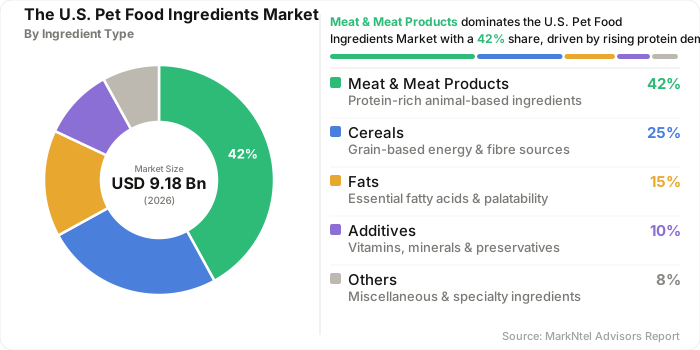
Accounting for nearly 42% of the U.S. Pet Food Ingredients Market in 2026, the Meat & Meat Products segment continues to hold the largest market share due to its central role in companion animal nutrition. Animal-derived proteins remain the foundation of most commercial pet food formulations, making animal protein ingredients essential because of their high digestibility, balanced amino acid profile, nutritional value, and palatability. Growing consumer preference for protein-rich diets and premium pet food products has further reinforced demand for meat-based ingredients across dry, wet, freeze-dried, and functional pet food categories.
The segment's leadership is further supported by the scale of pet food manufacturing and the increasing focus on ingredient quality. According to the American Feed Industry Association (AFIA), U.S. pet food manufacturers produced approximately 9.8 million tons of dog and cat food in 2024 using more than 600 plant- and animal-based ingredients, highlighting the substantial demand for nutritional inputs across the industry. At the same time, many premium pet food brands prominently feature real meat as a primary ingredient, reflecting strong consumer preference for protein-rich and biologically appropriate nutrition.
As pet owners increasingly prioritize protein quality, nutritional value, and natural feeding practices, demand for meat and meat-based ingredients is expected to remain stronger than other ingredient categories, reinforcing the segment's leadership in the U.S. market. Based on ingredient type, the market has been segmented into:
- Meat & Meat Products
- Cereals
- Fats
- Additives
Large Canine Population and Higher Nutritional Spending Position Dogs as the Leading Pet Segment
Representing approximately 63% of the U.S. Pet Food Ingredients Market in 2026, the Dog segment remains the largest contributor to overall ingredient demand. The segment's dominance is largely attributed to the country's substantial dog population and the higher level of spending associated with canine nutrition. Compared with many other companion animals, dogs typically consume larger volumes of food and are more likely to be fed premium diets, specialty formulations, supplements, and functional nutrition products.
Supporting this position is the continued expansion of canine-focused nutrition offerings designed for specific breeds, life stages, activity levels, and health requirements. Manufacturers are increasingly introducing products targeting digestive wellness, weight management, joint health, and healthy aging, which is driving greater utilization of specialized ingredients. As spending on canine health, wellness, and specialized nutrition continues to outpace that of many other companion animals, demand for advanced pet nutrition ingredients within the dog segment is expected to remain significantly higher, supporting its position as the largest contributor to ingredient consumption in the U.S. market. Based on pet, the market is categorized into:
- Dog
- Cat
- Fish
- Others
The U.S. Pet Food Ingredients Market Competitive Analysis
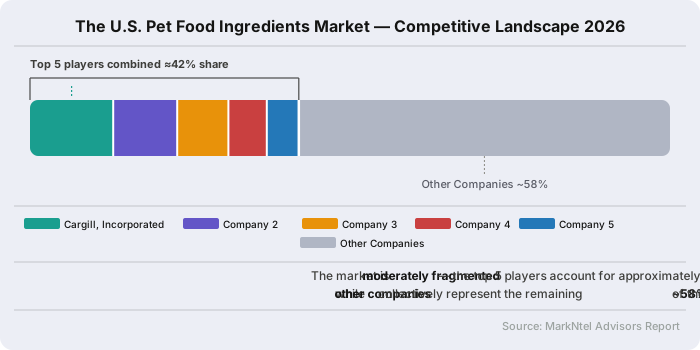
The U.S. Pet Food Ingredients Market is moderately fragmented, with multinational ingredient suppliers and animal nutrition companies competing across protein ingredients, fats, cereals, and feed additives. The top five players Cargill, Incorporated, Archer Daniels Midland Company, Darling Ingredients Inc., Kemin Industries, Inc., and Ingredion Incorporated collectively account for approximately 42% of the market, supported by their broad ingredient portfolios, established supply networks, and strong presence across the U.S. pet nutrition industry.
Key Players in the U.S. Pet Food Ingredients Market
- Cargill, Incorporated
- Archer Daniels Midland Company
- Darling Ingredients Inc.
- Kemin Industries, Inc.
- Ingredion Incorporated
- DSM-Firmenich AG
- Bunge Global SA
- Balchem Corporation
- AFB International
- Symrise AG
- Others
The U.S. Pet Food Ingredients Industry News and Recent Developments
June 2025: General Mills Launches Fresh Blue Buffalo Dog Food, Expanding Presence in Premium Pet Nutrition
General Mills introduced a fresh version of its Blue Buffalo dog food brand in the United States in June 2025, expanding its portfolio within the growing fresh pet food category. The new offering is designed to meet increasing consumer demand for minimally processed pet food made with high-quality ingredients and tailored nutritional profiles.
Impact Analysis: The launch reflects the ongoing premiumization of pet nutrition and the growing preference for fresh feeding formats among pet owners. It is expected to increase demand for specialized proteins, fats, vitamins, and functional ingredients while encouraging ingredient suppliers to develop solutions tailored to fresh and minimally processed pet food formulations.
January 2025: Central Garden & Pet Introduces Calm Paws Lickable Supplement for Cats
Central Garden & Pet expanded its pet wellness portfolio in January 2025 through the launch of Calm Paws Lickable Cat Supplement under its Four Paws brand. The product incorporates functional ingredients formulated to support relaxation and stress management in cats, addressing growing consumer interest in preventive pet health and wellness solutions.
Impact Analysis: The launch highlights the increasing integration of functional nutrition into companion animal products and reinforces demand for specialized additives used in behavioral health and wellness formulations. Growing adoption of such products is expected to create opportunities for suppliers of probiotics, amino acids, botanical extracts, and other value-added pet nutrition ingredients.
- Market Segmentation
- Introduction
- Product Definition
- Research Process
- Assumptions
- Executive Summary
- The U.S. Pet Food Ingredients Market Policies, Regulations, and Product Standards
- The U.S. Pet Food Ingredients Market Trends & Developments
- The U.S. Pet Food Ingredients Market Dynamics
- Growth Factors
- Challenges
- The U.S. Pet Food Ingredients Market Hotspot & Opportunities
- The U.S. Pet Food Ingredients Market Outlook, 2022-2032F
- Market Size & Outlook
- By Revenues (USD Million)
- By Quantity Sold (Tons)
- Market Share & Outlook
- By Pet- Market Size & Forecast 2022-2032, USD Million
- Dog
- Cat
- Fish
- Others
- By Form- Market Size & Forecast 2022-2032, USD Million
- Wet
- Dry
- By Ingredients- Market Size & Forecast 2022-2032, USD Million
- Cereals
- Maize
- Barley
- Wheat
- Oats
- Meat & Meat Products
- Animal Meat
- Animal Part & Bone Meal
- Fats
- Animal Fat
- Plant Fat
- Additives
- Vitamins & Minerals
- Flavours
- Antimicrobials
- Others (Antioxidants, Preservatives, etc.)
- Cereals
- By Distribution Channel- Market Size & Forecast 2022-2032, USD Million
- Direct Sales
- Distributors & Wholesalers
- Online Procurement
- By Company
- Competition Characteristics
- Market Share & Analysis
- By Pet- Market Size & Forecast 2022-2032, USD Million
- Market Size & Outlook
- The U.S. Dog Food Ingredients Market Outlook, 2022-2032
- Market Size & Outlook
- By Revenues (USD Million)
- By Quantity Sold (Tons)
- Market Segmentation & Outlook
- By Form- Market Size & Forecast 2022-2032, USD Million
- By Ingredients- Market Size & Forecast 2022-2032, USD Million
- By Distribution Channel- Market Size & Forecast 2022-2032, USD Million
- Market Size & Outlook
- The U.S. Cat Food Ingredients Market Outlook, 2022-2032
- Market Size & Outlook
- By Revenues (USD Million)
- By Quantity Sold (Tons)
- Market Segmentation & Outlook
- By Form- Market Size & Forecast 2022-2032, USD Million
- By Ingredients- Market Size & Forecast 2022-2032, USD Million
- By Distribution Channel- Market Size & Forecast 2022-2032, USD Million
- Market Size & Outlook
- The U.S. Fish Food Ingredients Market Outlook, 2022-2032
- Market Size & Outlook
- By Revenues (USD Million)
- By Quantity Sold (Tons)
- Market Segmentation & Outlook
- By Form- Market Size & Forecast 2022-2032, USD Million
- By Ingredients- Market Size & Forecast 2022-2032, USD Million
- By Distribution Channel- Market Size & Forecast 2022-2032, USD Million
- Market Size & Outlook
- The U.S. Pet Food Ingredients Market Key Strategic Imperatives for Success & Growth
- Competitive Outlook
- Company Profiles
- Cargill, Incorporated
- Business Description
- Product Portfolio
- Collaborations & Alliances
- Recent Developments
- Financial Details
- Others
- Archer Daniels Midland Company
- Business Description
- Product Portfolio
- Collaborations & Alliances
- Recent Developments
- Financial Details
- Others
- Darling Ingredients Inc.
- Business Description
- Product Portfolio
- Collaborations & Alliances
- Recent Developments
- Financial Details
- Others
- Kemin Industries, Inc.
- Business Description
- Product Portfolio
- Collaborations & Alliances
- Recent Developments
- Financial Details
- Others
- Ingredion Incorporated
- Business Description
- Product Portfolio
- Collaborations & Alliances
- Recent Developments
- Financial Details
- Others
- DSM-Firmenich AG
- Business Description
- Product Portfolio
- Collaborations & Alliances
- Recent Developments
- Financial Details
- Others
- Bunge Global SA
- Business Description
- Product Portfolio
- Collaborations & Alliances
- Recent Developments
- Financial Details
- Others
- Balchem Corporation
- Business Description
- Product Portfolio
- Collaborations & Alliances
- Recent Developments
- Financial Details
- Others
- AFB International
- Business Description
- Product Portfolio
- Collaborations & Alliances
- Recent Developments
- Financial Details
- Others
- Symrise AG
- Business Description
- Product Portfolio
- Collaborations & Alliances
- Recent Developments
- Financial Details
- Others
- Cargill, Incorporated
- Company Profiles
- Disclaimer

MarkNtel Advisors follows a robust and iterative research methodology designed to ensure maximum accuracy and minimize deviation in market estimates and forecasts. Our approach combines both bottom-up and top-down techniques to effectively segment and quantify various aspects of the market. A consistent feature across all our research reports is data triangulation, which examines the market from three distinct perspectives to validate findings. Key components of our research process include:
1. Scope & Research Design At the outset, MarkNtel Advisors define the research objectives and formulate pertinent questions. This phase involves determining the type of research—qualitative or quantitative—and designing a methodology that outlines data collection methods, target demographics, and analytical tools. They also establish timelines and budgets to ensure the research aligns with client goals.
2. Sample Selection and Data Collection In this stage, the firm identifies the target audience and determines the appropriate sample size to ensure representativeness. They employ various sampling methods, such as random or stratified sampling, based on the research objectives. Data collection is carried out using tools like surveys, interviews, and observations, ensuring the gathered data is reliable and relevant.
3. Data Analysis and Validation Once data is collected, MarkNtel Advisors undertake a rigorous analysis process. This includes cleaning the data to remove inconsistencies, employing statistical software for quantitative analysis, and thematic analysis for qualitative data. Validation steps are taken to ensure the accuracy and reliability of the findings, minimizing biases and errors.

4. Data Forecast and FinalizationThe final phase involves forecasting future market trends based on the analyzed data. MarkNtel Advisors utilize predictive modeling and time series analysis to anticipate market behaviors. The insights are then compiled into comprehensive reports, featuring visual aids like charts and graphs, and include strategic recommendations to inform client decision-making
FILL THE FORM TO INQUIRE BEFORE BUYING THIS REPORT
We offer flexible licensing options to cater to varying organizational needs. Choose the pricing pack that best suits your requirements:
Buy Now Talk to our Consultant
 Request Customization