A few years ago, the idea of a protein-enriched or sugar-free ice cream finding shelf space in an Indian store would have seemed like a stretch. Ice cream in India was straightforward: it was sweet, it was indulgent, and it was very much a summer ritual rather than a health-conscious choice. The frozen dessert category was built on impulse purchases, not nutritional consideration.
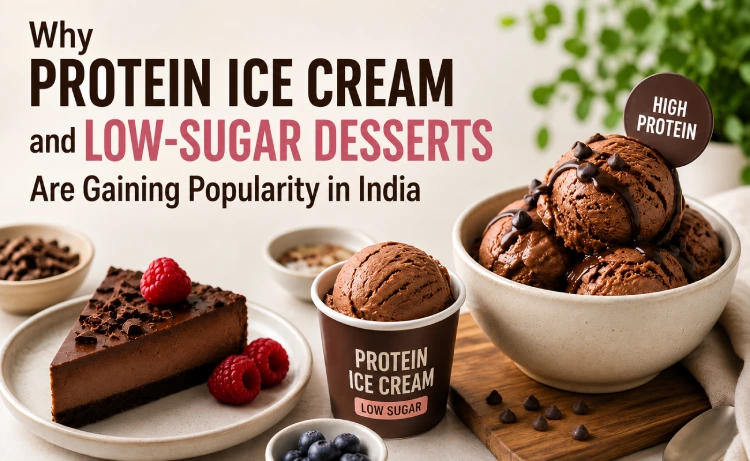
That picture is changing, and it is changing more quickly than the traditional players in the industry anticipated. A new kind of consumer is reshaping the frozen treats segment, one who refuses to give up dessert but insists on knowing exactly what is in it. Protein ice cream, low-calorie frozen yogurt, and sugar-free kulfi alternatives are no longer curiosities on a niche health platform. They are real products with real and growing demand.
|
Protein ice cream and low-sugar desserts are gaining popularity in India because urban consumers are actively seeking treats that align with their health goals. Rising diabetes awareness, a growing fitness culture, and smarter food labelling have together created a new category of guilt-free frozen indulgence that is expanding fast across Indian cities. |
India remains one of the world’s largest diabetic populations. According to the International Diabetes Federation (IDF), India had approximately 101 million adults living with diabetes in 2023, while another large population remains pre-diabetic or at risk of developing metabolic disorders. This growing health concern is influencing everyday purchasing behavior, including dessert consumption.
Consumers are no longer evaluating frozen desserts solely on taste and price. Nutritional labels, sugar content, calorie count, and ingredient transparency are increasingly becoming important purchase considerations, particularly among millennials and Gen Z consumers in metropolitan regions.
Protein ice cream is a frozen dessert formulated with added protein, typically whey or a plant-based protein source, and significantly reduced sugar compared to a conventional product. The goal is to deliver the sensory satisfaction of ice cream while offering a nutritional profile that is more aligned with health-conscious eating. The texture tends to be slightly denser than traditional ice cream, but the best products in this category have closed that gap considerably as formulation technology has improved.
The nutritional difference is substantial. A standard ice cream bar can carry anywhere between 18 and 25 grams of sugar with minimal protein. A protein ice cream version in a comparable format might offer 10 to 15 grams of protein with just 3 to 5 grams of sugar. For a consumer who is actively tracking their intake or managing blood glucose, that difference is not trivial. It is the difference between a food that works against their goals and one that genuinely supports them.
Low-sugar frozen desserts operate on a similar logic but do not always prioritise protein. These include sugar-free kulfi, reduced-calorie frozen yogurt, and fruit-based frozen bars sweetened with stevia, erythritol, or monk fruit rather than refined sugar. They are targeting the consumer who wants the experience of a sweet, cold treat without the glycemic consequence that typically comes with it.
|
Low-sugar frozen desserts are growing fast in India because better sweetener technology, quick commerce delivery, and a generation of health-aware consumers have come together at the right moment. Products that once tasted like compromises now genuinely compete with conventional ice cream on taste, and they are reaching buyers through digital platforms faster than traditional retail ever allowed. |
The growth of low-sugar frozen desserts in India is being supported by multiple structural trends converging simultaneously. Natural sweeteners like stevia and erythritol became more affordable and more refined in their taste profile, which meant brands could finally create products that did not carry the bitter aftertaste that early sugar-free products were notorious for. Consumers who had tried and rejected sugar-free options years ago were willing to try again.
Quick commerce platforms have also played a significant and often underappreciated role. A small brand with a great product but no traditional retail presence could suddenly reach thousands of consumers in major cities through Blinkit, Zepto, or Swiggy Instamart. The barrier to market entry dropped dramatically, which is why so many new health-focused frozen dessert brands have emerged and found traction in the last two to three years.
A new generation of brands has emerged specifically to serve the health-conscious Indian consumer. Each is approaching the opportunity differently, targeting a distinct consumer need within the broader shift away from conventional frozen treats. What they share is a commitment to better ingredients, honest labelling, and products that do not ask consumers to choose between enjoyment and wellbeing.
|
Brand |
Product Type |
Target Consumer |
Key Differentiator |
|
Go Zero |
Low-calorie sugar-free ice cream |
Calorie-conscious urban buyers |
Under 100 calories per serving, uses stevia |
|
Noto |
Keto-friendly frozen desserts |
Keto dieters and diabetic-aware consumers |
Zero added sugar, natural sweeteners only |
|
NIC Natural Ice Cream |
Fruit-based, no preservatives |
Clean label and natural food seekers |
Single-ingredient philosophy, no additives |
|
The Whole Truth |
Protein ice cream bars |
Fitness-focused millennials |
High protein content with honest labelling |
|
Yogurt Labs |
Frozen yogurt with live cultures |
Gut health and wellness consumers |
Probiotic benefits alongside low sugar |
|
Amul Pro |
Protein-fortified dairy variants |
Mass market health seekers |
Trusted brand with accessible price point |
This growing segment is emerging as one of the most dynamic opportunities within the broader frozen dessert industry in India. The India ice cream market is estimated to be valued at approximately USD 3.07 billion in 2026 and is projected to reach nearly USD 5.39 billion by 2032, expanding at a CAGR of around 9.84% during 2026–2032.
Within this expanding market, health-forward categories such as protein ice cream and low-sugar frozen desserts are gaining significant traction as consumers increasingly prioritize nutritional value alongside indulgence. What was once considered a niche wellness trend is now attracting growing consumer demand, product innovation, and investor interest across India’s evolving frozen dessert landscape.
|
Protein ice cream and low-sugar frozen desserts remain largely a metro and Tier 1 city phenomenon for now. The combination of higher disposable income, stronger health awareness, and better quick commerce coverage in major cities explains the concentration. However, as digital content spreads health literacy and platforms expand their reach, Tier 2 cities are beginning to show early signs of similar demand. |
At this stage, the category is firmly rooted in metros like Bangalore, Mumbai, Delhi, and Hyderabad. These are the cities where gym culture is most deeply embedded, where D2C brands have built their strongest distribution through quick commerce, and where consumers have both the awareness and the disposable income to pay a 30 to 50 percent premium for a healthier frozen option. The profile of the core buyer today is a millennial or Gen Z urban professional who is actively engaged with their health.
Tier 2 cities are beginning to show early signals of interest, though the market is less developed. Health and fitness content on social media does not respect geographic boundaries, which means consumers in Pune, Jaipur, Lucknow, and Kochi are being exposed to the same protein ice cream conversations as their counterparts in metros. The primary barriers to wider penetration are price sensitivity and the thinner reach of quick commerce platforms outside major cities, both of which are likely to improve as the category matures.
The rise of protein ice cream and low-sugar frozen treats is not simply a product story. It reflects a deeper and more durable change in how Indian consumers, particularly younger urban ones, relate to food. The expectation that healthy options must taste inferior or feel like deprivation is being actively dismantled by brands that are investing seriously in formulation. When a guilt-free frozen dessert is genuinely enjoyable, it does not need to be justified. It just sells.
For the broader frozen dessert industry, this shift signals an important opportunity. Brands that continue to offer only traditional high-sugar formats risk losing a growing consumer segment that has both the awareness and the alternatives to make a different choice. On the other hand, legacy players that invest in credible health-forward lines, rather than simply slapping a low-fat sticker on an existing product, stand to benefit from the trust they have already built with Indian consumers.
India's appetite for dessert has not diminished. What has changed is the conversation around it. A generation of consumers is no longer willing to accept that enjoying something sweet and cold must come at the cost of their health goals. Protein ice cream and low-sugar frozen desserts have arrived at exactly the right moment to answer that demand, and the brands building in this space are doing so with products that are genuinely improving in quality with every iteration.
The category is still young, but the consumer behaviour driving it is not going away. As formulations improve, prices become more competitive, and distribution reaches beyond the metros, this corner of the Indian frozen dessert market has the potential to become far more significant than it appears today.
