

GCC HVAC Cleaning Chemicals Market Research Report: Size, Share, Trends & Forecast (2026-2032)
By Product Type (Coil Cleaners (Alkaline & Acidic), Disinfectants & Sanitizers, Descalers & Rust Removers, Algaecides & Biocides, Degreasers, Deodorizers), By Form (Liquid Concentr ... ates, Powders, Aerosols / Foams), By Application (Evaporator Coils, Condenser Coils, Air Ducts & Vents, Drain Pans, Cooling Towers & Chillers), By End User (Commercial, Industrial, Residential, Institutional), and others Read more
- Chemicals
- Apr 2026
- Pages 265
- Report Format: PDF, Excel, PPT
GCC HVAC Cleaning Chemicals Market
Projected 3.33% CAGR from 2026 to 2032
Study Period
2026-2032
Market Size (2026)
USD 92 Million
Market Size (2032)
USD 112 Million
Base Year
2025
Projected CAGR
3.33%
Leading Segments
By End User: Industrial
GCC HVAC Cleaning Chemicals Market Report Key Takeaways:
- The GCC HVAC Cleaning Chemicals market size was valued at USD 88 million in 2025 and is projected to grow from USD 92 million in 2026 to USD 112 million by 2032, exhibiting a CAGR of 3.33% during the forecast period.
- Saudi Arabia is the leading country with a significant share of 27% in 2026.
- By end user type, the industrial segment represented a significant share of about 48% in the GCC HVAC Cleaning Chemicals Market in 2026.
- By product type, the disinfectants seized a significant share of about 31% in the GCC HVAC Cleaning Chemicals Market in 2026.
- Leading companies are Ecolab Inc., Diversey Gulf FZE, Henkel Jebel Ali FZCO, National Detergent Company SAOG (NDC), Saudi Industrial Detergents Co. (SIDCO), Fayfa Chemical Factory (L.L.C.), Chemex Chemical and Hygiene Products LLC, Dubichem Marine International, Trice Chemicals Industrial LLC, Al Sanea Chemical Products, RX Marine/RXSOL Group, Westron, Fujairah Chemical, Sohar Chemical, Muscat & Barka Business Trading Chemical Company, and Others.
Market Insights & Analysis: GCC HVAC Cleaning Chemicals Market (2026-32):
The GCC HVAC Cleaning Chemicals market size was valued at USD 88 million in 2025 and is projected to grow from USD 92 million in 2026 to USD 112 million by 2032, exhibiting a CAGR of 3.33% during the forecast period. i.e., 2026-32.
The GCC HVAC Cleaning Chemicals Market is intrinsically linked to the strong expansion of HVAC systems across the region, as environmental comfort and indoor air quality remain top priorities in new and existing buildings. In GCC countries, especially Saudi Arabia and the United Arab Emirates, investments in residential, commercial, and industrial construction have surged, driving widespread deployment of HVAC units and ancillary products that require specialized chemical agents for cleaning, sanitization, and performance maintenance. This connection between HVAC system growth and maintenance chemicals reflects broader infrastructure modernization efforts evident in the surge of sophisticated climate control installations.
Demand for high‑performance HVAC chemicals in the GCC is propelled by extreme climatic conditions that necessitate frequent operation and servicing of cooling systems. Extensive use in summer months accelerates wear, microbial growth, and performance degradation within coils, ducts, and filters, increasing the need for chemical cleaning solutions that ensure system efficiency and indoor air quality. The predominance of advanced HVAC technologies, including variable refrigerant flow (VRF) and IoT‑enabled systems in the UAE and Saudi Arabia, intensifies this need as operators seek proper chemical maintenance to maximize equipment uptime and longevity.
Regulatory frameworks and building performance standards adopted by GCC governments also indirectly influence chemical demand by shaping HVAC system specifications and operation requirements. Policy developments have begun reshaping the HVAC chemicals landscape in the GCC, most notably through commitments under the Kigali Amendment to the Montreal Protocol, which mandates phasedown schedules for hydrofluorocarbon ( HFC) refrigerants. GCC nations, including Saudi Arabia and the UAE, are aligning regulatory frameworks to initiate a baseline freeze of HFC use by 2028, followed by gradual reductions starting in 2032, reflecting coordinated environmental compliance efforts.
Large institutional buildings such as hospitals, universities, and process plants commonly use glycol‑water mixtures in chilled water HVAC loops to improve thermal control and prevent freezing or corrosion. Glycol blends, whether ethylene or propylene-based, are key industrial heat transfer fluids that keep temperature regulation consistent under varying load conditions and protect system components over long operational cycles.
GCC HVAC Cleaning Chemicals Market Scope:
| Category | Segments |
|---|---|
| By Product Type | (Coil Cleaners (Alkaline & Acidic), Disinfectants & Sanitizers, Descalers & Rust Removers, Algaecides & Biocides, Degreasers, Deodorizers), |
| By Form | (Liquid Concentrates, Powders, Aerosols / Foams), |
| By Application | (Evaporator Coils, Condenser Coils, Air Ducts & Vents, Drain Pans, Cooling Towers & Chillers), |
| By End User | (Commercial, Industrial, Residential, Institutional), |
GCC HVAC Cleaning Chemicals Market Driver:
Rapid Urbanization & Expanding Building Construction
Rapid urbanization and large‑scale construction activity in the Gulf Cooperation Council (GCC) constitute the single most influential structural driver boosting HVAC chemicals demand through the sustained expansion of building stock. Major national urban development strategies like the Dubai 2040 Urban Master Plan outline comprehensive long‑term infrastructure growth, including doubling residential population capacity and establishing new urban centers that will drive extensive residential, commercial, and institutional construction over the coming decades. These planned expansions will proportionately increase demand for complex HVAC systems to support thermal comfort and indoor environmental quality.
This structural driver has intensified over recent years as urban population growth and national development goals have accelerated multi‑year construction pipelines across major GCC economies, including Saudi Arabia, the UAE, and Qatar. The sheer scale of ongoing greenfield developments, mixed‑use districts, and infrastructure upgrades ensures recurring demand for HVAC equipment and related chemical inputs for both initial installation and lifecycle maintenance, rather than short‑term or price‑linked fluctuations.
Because each new building requires full mechanical, electrical, and HVAC installations, including system charging with refrigerants and periodic servicing chemicals, construction‑driven expansion directly increases total HVAC chemical volumes consumed in the region. This establishes a clear cause‑and‑effect link between the physical growth of the built environment and structural volume creation in the HVAC chemicals market, distinguishing it from transient adoption trends or pricing impacts.
GCC HVAC Cleaning Chemicals Market Trend:
Adoption of IoT and Smart Technologies in HVAC Systems
The integration of Internet of Things (IoT) and smart technologies into HVAC systems is a significant trend reshaping the GCC market, driven by broader digital transformation and smart city initiatives. Governments in the UAE and Saudi Arabia are accelerating IoT deployment as part of national strategies to create intelligent urban infrastructure, promoting connected and energy‑efficient building systems that include HVAC automation and real‑time performance monitoring. These initiatives are foundational to smart building adoption, reflecting a sustained shift in how HVAC operations are managed.
This trend is causing structural changes across the HVAC value chain. Building owners are increasingly investing in IoT‑enabled sensors and connectivity platforms that allow for remote monitoring, automated control, and predictive maintenance of cooling systems, reducing energy use and operational costs. For example, retrofit programmes in UAE government buildings are upgrading HVAC controls with digital automation technology to enhance efficiency and align with national decarbonization objectives. Such integration encourages HVAC manufacturers and service providers to develop offerings compatible with IoT and cloud‑based analytics. For instance, Cool Automation has partnered with Cache (UAE) to bring smart HVAC control and monitoring solutions to the GCC, enabling integration of HVAC systems (including VRF/VRV units) with automation and climate control platforms for enhanced operational efficiency and performance.
The trend is expected to persist because it aligns with long‑term public policies emphasizing sustainability, digital infrastructure, and energy efficiency. National digital agendas driving 5G and IoT adoption bolster the underlying technology infrastructure that supports smart HVAC solutions, ensuring the continued modernization of building systems. As investments in smart city ecosystems grow, IoT‑enabled HVAC technologies will remain central to operational optimization and environmental performance in the region’s built environment.
GCC HVAC Cleaning Chemicals Market Opportunity:
Focus on Hygiene & Sustainability
The growing emphasis on indoor air quality, hygiene, and sustainable solutions represents a major opportunity for new entrants in the GCC HVAC Cleaning Chemicals market. Post-COVID-19 awareness has increased demand for antimicrobial agents, sanitizers, and fungicides to prevent mold, bacteria, and virus proliferation in residential, commercial, and institutional buildings. Government programs, such as the UAE’s Green Building Regulations, encourage safe, non-toxic chemicals in HVAC systems, creating a regulatory environment conducive to sustainable product adoption .
Structural factors such as stricter hygiene standards in healthcare, hospitality, and public facilities are translating into tangible chemical demand. Facilities managers are now seeking biodegradable, low-toxicity formulations compatible with existing HVAC systems, driving innovation in chemical blends and coatings. For example, Dubai Municipality’s indoor air quality directives mandate regular disinfection and microbial control in public spaces, which directly increases the need for specialized HVAC sanitization chemicals.
This trend particularly benefits new and smaller market players, as incumbents often maintain legacy chemical lines with slower adoption of eco-friendly solutions. Startups can differentiate through biodegradable, antimicrobial formulations that comply with local environmental standards while offering enhanced hygiene performance. As governments and private institutions continue implementing sustainability mandates and health-focused HVAC practices, early entrants can secure scalable growth opportunities across retrofit projects, new constructions, and smart building initiatives throughout the GCC.
GCC HVAC Cleaning Chemicals Market Challenge:
Regulatory Complexities and High Compliance Costs
One of the most critical structural barriers in the GCC HVAC Cleaning Chemicals market is the complex and evolving regulatory landscape related to environmental standards and refrigerant transitions. Following Saudi Arabia’s ratification of the Kigali Amendment in 2025, GCC countries will begin a phasedown of high‑GWP hydrofluorocarbon (HFC) refrigerants, including a baseline freeze in 2028 and structured reductions from 2032. Navigating this shift requires manufacturers and service providers to adapt products, documentation, workforce training, and safety systems to comply with new technical standards.
Regulatory complexity is measurably affecting market players as compliance involves extensive technical adjustments and certification processes that increase operational costs and complicate market entry for smaller firms. Differences in national energy efficiency codes and environmental requirements across the UAE, Saudi Arabia, and other GCC states create an administrative burden and inconsistency, requiring tailored compliance strategies for each jurisdiction. These multifaceted regulations add time and expense before products can be sold or retrofitted locally, limiting scalability and delaying adoption of compliant HVAC chemical solutions.
This challenge materially restricts market expansion because compliance costs and administrative overhead divert investment away from innovation and growth. High upfront expenses for workforce training, equipment redesign, and certification strain smaller companies disproportionally, impeding competitiveness compared with larger incumbents that can absorb regulatory costs more easily. As efficiency and environmental standards continue tightening, the compliance burden remains a persistent operational constraint affecting adoption rates, pricing, and entry of new or niche chemical solutions into the GCC HVAC market.
GCC HVAC Cleaning Chemicals Market (2026-32) Segmentation Analysis:
The GCC HVAC Cleaning Chemicals Market study of MarkNtel Advisors evaluates & highlights the major trends and influencing factors in each segment. It includes predictions for the period 2026–32 at the regional level. Based on the analysis, the market has been further classified as;
Based on End User:
- Commercial
- Industrial
- Residential
- Institutional
The Industrial end‑user segment leads in the GCC HVAC Cleaning Chemicals market with a market share of 48%, driven by growth in energy and manufacturing hubs such as Jubail and Yanbu in Saudi Arabia and Hamriyah Free Zone in the UAE, where large plants require rigorous HVAC maintenance to protect sensitive equipment. Facilities like integrated steel mills and petrochemical complexes invest heavily in HVAC chemicals to optimize cooling efficiency and control humidity, directly tying maintenance spend to production yield . Regional occupational and environmental regulations (e.g., IAQ guidelines by health ministries) push industrial operators to adopt advanced HVAC treatment chemicals for safety compliance . Long‑term service contracts in industrial facilities (e.g., with service providers like Johnson Controls and Carrier Industrial Services) further stabilize demand for maintenance chemicals over sporadic residential usage.
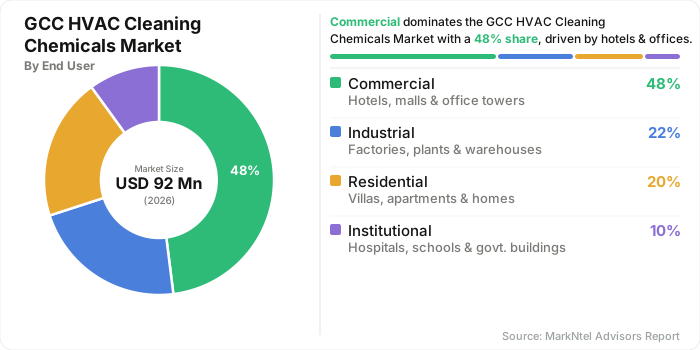
Government initiatives toward energy efficiency (such as mandatory building performance standards in Dubai and Abu Dhabi) make industrial HVAC optimization a measurable KPI. Large industrial consumers tend to adopt full‑service chemical supply and monitoring agreements, creating predictable, high‑volume demand that keeps the industrial segment leading through 2032.
Based on Product Type:
- Coil Cleaners (Alkaline & Acidic)
- Disinfectants & Sanitizers
- Descalers & Rust Removers
- Algaecides & Biocides
- Degreasers
- Deodorizers
Disinfectants & Sanitizers rank highest in HVAC chemicals with a market share of 31% because facilities across sectors are prioritizing microbial control to meet indoor air quality (IAQ) expectations, especially after public health awareness increased globally. Commercial buildings, airports like Dubai International, and healthcare facilities adopt HVAC sanitization regimens using products such as quaternary ammonium‑based biocides and EPA‑registered disinfectants to manage bacteria and mold in ductwork. Government health advisories in the GCC emphasize ventilation and air purification as part of workplace standards, which elevates demand for effective HVAC sanitizers. Facility managers increasingly contract professional cleaning services (e.g., ABM Industries, GDI Integrated Facility Services) that include documented sanitization using these products to reduce health‑risk liabilities.
For instance, Fayfa Chemicals in Dubai supplies a quaternary ammonium compound (QAC) disinfectant based on Lauryl‑dimethyl‑benzyl ammonium chloride, which is widely used as a broad‑spectrum disinfectant and sanitizer in commercial and institutional settings . This type of QAC disinfectant helps control bacteria and some microbial contamination when used as part of professional cleaning and sanitization regimens. These factors, regulatory focus on health, corporate quality standards, and facility hygiene protocols, combine to sustain Disinfectants & Sanitizers as the leading HVAC chemical product type through 2032.
GCC HVAC Cleaning Chemicals Market (2026-32) Regional Analysis:
The Western Region of Saudi Arabia, centered on Riyadh, Jeddah, and Mecca, is the largest market for HVAC products with a market share of 27% because it hosts the densest population centers and the most extensive urban infrastructure projects in the country. Major cities in this region continue rapid residential and commercial construction, driven by urbanization and population growth in Riyadh and Jeddah, where developers integrate modern HVAC solutions in new buildings. The region’s economic activity is reinforced by sustained government capital expenditure on housing, transport, and tourism infrastructure under the 2025 national budget. These structural and economic dynamics create concentrated demand for HVAC systems and related services.
Saudi Arabia’s Vision 2030 development agenda supports large-scale infrastructure expansion that favors advanced building systems, including efficient HVAC installations. The Kingdom’s 2025 fiscal plan increased spending on development projects, encouraging smart and energy‑efficient building practices that include modern climate‑control systems. Energy efficiency and building code frameworks, while evolving, are prompting tighter building performance requirements, which increase HVAC uptake in major urban regions. This regulatory backdrop reinforces adoption intensity, especially in Riyadh and Jeddah, where compliance and sustainability standards are most enforced.
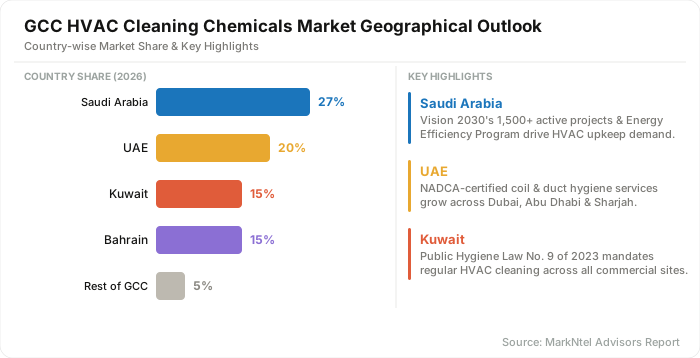
Riyadh’s urban expansion and demand for high‑grade commercial and residential space increase HVAC system penetration more than in other regions . Jeddah’s role as a commercial port city magnifies demand for large‑scale climate control across offices, malls, and residential complexes. Collectively, concentrated infrastructure activity, policy support , and dense end‑user demand make the Western Region far more dominant than other regional markets.
GCC HVAC Cleaning Chemicals Market — Competitive Landscape
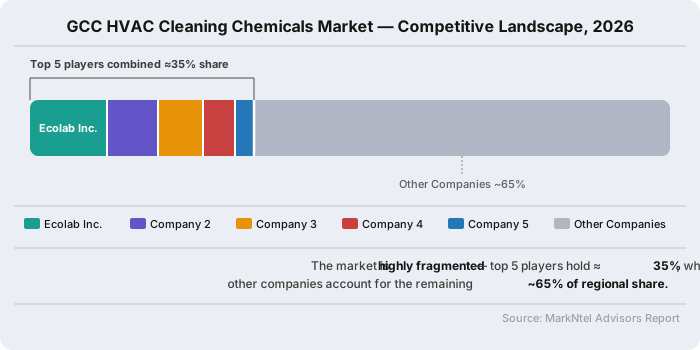
The market is highly fragmented, with the top five players accounting for approximately 35% of the total market share. Leading companies include Ecolab Inc., Diversey Gulf FZE, Henkel Jebel Ali FZCO, National Detergent Company SAOG (NDC), and Saudi Industrial Detergents Co. (SIDCO).
Key HVAC Cleaning Chemicals Companies in GCC
- Ecolab Inc.
- Diversey Gulf FZE
- Henkel Jebel Ali FZCO
- National Detergent Company SAOG (NDC)
- Saudi Industrial Detergents Co. (SIDCO)
- Fayfa Chemical Factory (L.L.C.)
- Chemex Chemical and Hygiene Products LLC
- Dubichem Marine International
- Trice Chemicals Industrial LLC
- Al Sanea Chemical Products
- RX Marine/RXSOL Group
- Westron
- Fujairah Chemical
- Sohar Chemical
- Muscat & Barka Business Trading Chemical Company
- Others
Gain a Competitive Edge with Our GCC HVAC Cleaning Chemicals Market Report:
- The GCC HVAC Cleaning Chemicals Market Report by MarkNtel Advisors provides a detailed & thorough analysis of market size & share, growth rate, competitive landscape, and key players. This comprehensive analysis helps businesses gain a holistic understanding of the market dynamics & make informed decisions.
- This report also highlights current market trends & future projections, allowing businesses to identify emerging opportunities & potential challenges. By understanding market forecasts, companies can align their strategies & stay ahead of the competition.
- The GCC HVAC Cleaning Chemicals Market Report aids in assessing & mitigating risks associated with entering or operating in the market. By understanding market dynamics, regulatory frameworks, and potential challenges, businesses can develop strategies to minimize risks & optimize their operations.
*Reports Delivery Format - Market research studies from MarkNtel Advisors are offered in PDF, Excel and PowerPoint formats. Within 24 hours of the payment being successfully received, the report will be sent to your email address.
Frequently Asked Questions
- Market Segmentation
- Introduction
- Product Definition
- Research Process
- Assumptions
- Executive Summary
- GCC HVAC Cleaning Chemicals Market Policies, Regulations, and Product Standards
- GCC HVAC Cleaning Chemicals Market Trends & Developments
- GCC HVAC Cleaning Chemicals Market Dynamics
- Growth Factors
- Challenges
- GCC HVAC Cleaning Chemicals Market Hotspot & Opportunities
- GCC HVAC Cleaning Chemicals Market Outlook, 2022-2032F
- Market Size & Outlook
- By Revenues (USD Million)
- By Volume (Million Tons)
- Market Share & Analysis
- By Product Type- Market Size & Forecast 2022-2032, USD Million & Million Tons
- Coil Cleaners (Alkaline & Acidic)
- Disinfectants & Sanitizers
- Descalers & Rust Removers
- Algaecides & Biocides
- Degreasers
- Deodorizers
- By Form- Market Size & Forecast 2022-2032, USD Million & Million Tons
- Liquid Concentrates
- Powders
- Aerosols / Foams
- By Application- Market Size & Forecast 2022-2032, USD Million & Million Tons
- Evaporator Coils
- Condenser Coils
- Air Ducts & Vents
- Drain Pans
- Cooling Towers & Chillers
- By End User- Market Size & Forecast 2022-2032, USD Million & Million Tons
- Commercial
- Industrial
- Residential
- Institutional
- By Country
- Qatar
- Kuwait
- Bahrain
- Oman
- Saudi Arabia
- UAE
- Rest of GCC
- By Company
- Competition Characteristics
- Market Share & Analysis
- By Product Type- Market Size & Forecast 2022-2032, USD Million & Million Tons
- Market Size & Outlook
- Qatar HVAC Cleaning Chemicals Market Outlook, 2022-2032F
- Market Size & Outlook
- By Revenues (USD Million)
- By Volume (Million Tons)
- Market Share & Analysis
- By Product Type- Market Size & Forecast 2022-2032, USD Million & Million Tons
- By Form- Market Size & Forecast 2022-2032, USD Million & Million Tons
- By Application- Market Size & Forecast 2022-2032, USD Million & Million Tons
- By End User- Market Size & Forecast 2022-2032, USD Million & Million Tons
- Market Size & Outlook
- Kuwait HVAC Cleaning Chemicals Market Outlook, 2022-2032F
- Market Size & Outlook
- By Revenues (USD Million)
- By Volume (Million Tons)
- Market Share & Analysis
- By Product Type- Market Size & Forecast 2022-2032, USD Million & Million Tons
- By Form- Market Size & Forecast 2022-2032, USD Million & Million Tons
- By Application- Market Size & Forecast 2022-2032, USD Million & Million Tons
- By End User- Market Size & Forecast 2022-2032, USD Million & Million Tons
- Market Size & Outlook
- Bahrain HVAC Cleaning Chemicals Market Outlook, 2022-2032F
- Market Size & Outlook
- By Revenues (USD Million)
- By Volume (Million Tons)
- Market Share & Analysis
- By Product Type- Market Size & Forecast 2022-2032, USD Million & Million Tons
- By Form- Market Size & Forecast 2022-2032, USD Million & Million Tons
- By Application- Market Size & Forecast 2022-2032, USD Million & Million Tons
- By End User- Market Size & Forecast 2022-2032, USD Million & Million Tons
- Market Size & Outlook
- Oman HVAC Cleaning Chemicals Market Outlook, 2022-2032F
- Market Size & Outlook
- By Revenues (USD Million)
- By Volume (Million Tons)
- Market Share & Analysis
- By Product Type- Market Size & Forecast 2022-2032, USD Million & Million Tons
- By Form- Market Size & Forecast 2022-2032, USD Million & Million Tons
- By Application- Market Size & Forecast 2022-2032, USD Million & Million Tons
- By End User- Market Size & Forecast 2022-2032, USD Million & Million Tons
- Market Size & Outlook
- Saudi Arabia HVAC Cleaning Chemicals Market Outlook, 2022-2032F
- Market Size & Outlook
- By Revenues (USD Million)
- By Volume (Million Tons)
- Market Share & Analysis
- By Product Type- Market Size & Forecast 2022-2032, USD Million & Million Tons
- By Form- Market Size & Forecast 2022-2032, USD Million & Million Tons
- By Application- Market Size & Forecast 2022-2032, USD Million & Million Tons
- By End User- Market Size & Forecast 2022-2032, USD Million & Million Tons
- Market Size & Outlook
- UAE HVAC Cleaning Chemicals Market Outlook, 2022-2032F
- Market Size & Outlook
- By Revenues (USD Million)
- By Volume (Million Tons)
- Market Share & Analysis
- By Product Type- Market Size & Forecast 2022-2032, USD Million & Million Tons
- By Form- Market Size & Forecast 2022-2032, USD Million & Million Tons
- By Application- Market Size & Forecast 2022-2032, USD Million & Million Tons
- By End User- Market Size & Forecast 2022-2032, USD Million & Million Tons
- Market Size & Outlook
- GCC HVAC Cleaning Chemicals Market Key Strategic Imperatives for Success & Growth
- Competitive Outlook
- Company Profiles
- Ecolab Inc.
- Business Description
- Product Portfolio
- Collaborations & Alliances
- Recent Developments
- Financial Details
- Others
- Diversey Gulf FZE
- Business Description
- Product Portfolio
- Collaborations & Alliances
- Recent Developments
- Financial Details
- Others
- Henkel Jebel Ali FZCO
- Business Description
- Product Portfolio
- Collaborations & Alliances
- Recent Developments
- Financial Details
- Others
- National Detergent Company SAOG (NDC)
- Business Description
- Product Portfolio
- Collaborations & Alliances
- Recent Developments
- Financial Details
- Others
- Saudi Industrial Detergents Co. (SIDCO)
- Business Description
- Product Portfolio
- Collaborations & Alliances
- Recent Developments
- Financial Details
- Others
- Fayfa Chemical Factory (L.L.C.)
- Business Description
- Product Portfolio
- Collaborations & Alliances
- Recent Developments
- Financial Details
- Others
- Chemex Chemical and Hygiene Products LLC
- Business Description
- Product Portfolio
- Collaborations & Alliances
- Recent Developments
- Financial Details
- Others
- Dubichem Marine International
- Business Description
- Product Portfolio
- Collaborations & Alliances
- Recent Developments
- Financial Details
- Others
- Trice Chemicals Industrial LLC
- Business Description
- Product Portfolio
- Collaborations & Alliances
- Recent Developments
- Financial Details
- Others
- Al Sanea Chemical Products
- Business Description
- Product Portfolio
- Collaborations & Alliances
- Recent Developments
- Financial Details
- Others
- RX Marine/RXSOL Group
- Business Description
- Product Portfolio
- Collaborations & Alliances
- Recent Developments
- Financial Details
- Others
- Westron
- Business Description
- Product Portfolio
- Collaborations & Alliances
- Recent Developments
- Financial Details
- Others
- Fujairah Chemical
- Business Description
- Product Portfolio
- Collaborations & Alliances
- Recent Developments
- Financial Details
- Others
- Sohar Chemical
- Business Description
- Product Portfolio
- Collaborations & Alliances
- Recent Developments
- Financial Details
- Others
- Muscat & Barka Business Trading Chemical Company
- Business Description
- Product Portfolio
- Collaborations & Alliances
- Recent Developments
- Financial Details
- Others
- Ecolab Inc.
- Company Profiles
- Disclaimer
MarkNtel Advisors follows a robust and iterative research methodology designed to ensure maximum accuracy and minimize deviation in market estimates and forecasts. Our approach combines both bottom-up and top-down techniques to effectively segment and quantify various aspects of the market. A consistent feature across all our research reports is data triangulation, which examines the market from three distinct perspectives to validate findings. Key components of our research process include:
1. Scope & Research Design At the outset, MarkNtel Advisors define the research objectives and formulate pertinent questions. This phase involves determining the type of research—qualitative or quantitative—and designing a methodology that outlines data collection methods, target demographics, and analytical tools. They also establish timelines and budgets to ensure the research aligns with client goals.
2. Sample Selection and Data Collection In this stage, the firm identifies the target audience and determines the appropriate sample size to ensure representativeness. They employ various sampling methods, such as random or stratified sampling, based on the research objectives. Data collection is carried out using tools like surveys, interviews, and observations, ensuring the gathered data is reliable and relevant.
3. Data Analysis and Validation Once data is collected, MarkNtel Advisors undertake a rigorous analysis process. This includes cleaning the data to remove inconsistencies, employing statistical software for quantitative analysis, and thematic analysis for qualitative data. Validation steps are taken to ensure the accuracy and reliability of the findings, minimizing biases and errors.

4. Data Forecast and FinalizationThe final phase involves forecasting future market trends based on the analyzed data. MarkNtel Advisors utilize predictive modeling and time series analysis to anticipate market behaviors. The insights are then compiled into comprehensive reports, featuring visual aids like charts and graphs, and include strategic recommendations to inform client decision-making
We offer flexible licensing options to cater to varying organizational needs. Choose the pricing pack that best suits your requirements:
Buy Now Inquire Before Buying
 Request Customization
 Talk to our Consultant







