

By Product (Dark Chocolate, Milk Chocolate, White Chocolate), By Form (Tablets and Bars, Molded Blocks, Pralines and Truffles, Other Forms), By Packaging (Plastic Pouches and Bags, Paper Pouches and B... ... Paper Pouches and Bags, Metal Tins, Plastic Boxed Assortments, Others), By SKU Size (Upto 50 Gram, 51 to 100 Gram, 100 to 200 Gram, Above 200 Gram), By Ingredient Type (Dairy-Based, Plant-Based, Single Origin), By Distribution Channel (Supermarkets/Hypermarkets, Online Retail Stores, Convenience Stores, Other Channels), By Application (Food products, Bakery Products, Sugar Confectionary, Desserts, Others, Beverages, Others), and others Read more
- Food & Beverages
- Apr 2026
- 145
- PDF, Excel, PPT
The UK Chocolate Market Key Takeaways
- The UK Chocolate market size was valued at USD 12.30 billion in 2025 and is projected to grow from USD 12.81 billion in 2026 to USD 14.89 billion by 2032, exhibiting a CAGR of 2.54% during 2026-2032.
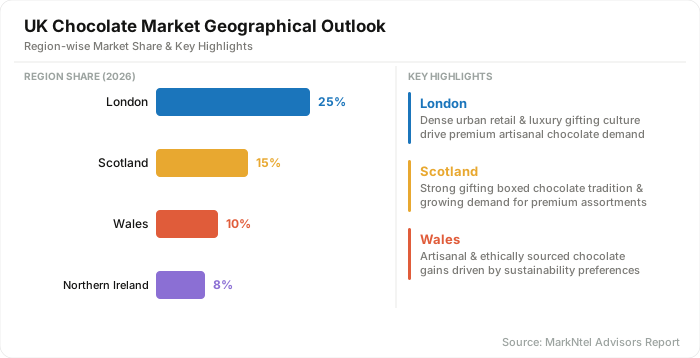
- In 2026, London accounts for the highest market share, contributing approximately 25% of the total demand.
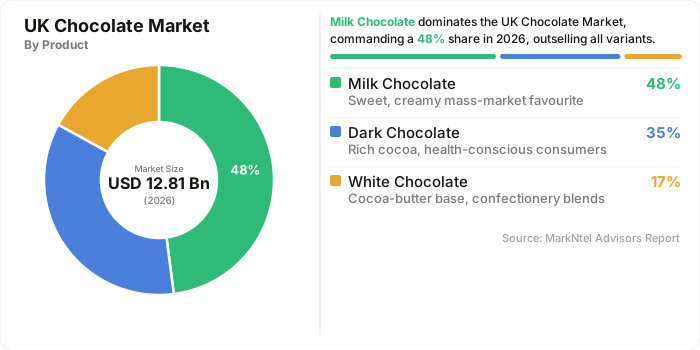
- By product category, milk chocolate dominates with a share of around 48% in 2026.
- In terms of SKU size, the 51 to 100gram segment captured a notable share of nearly 50% in 2026.
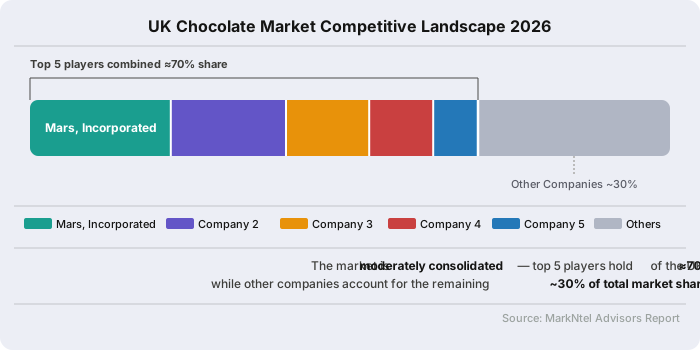
- The market structure remains moderately consolidated, with the top five players collectively holding close to 70% share.
The UK Chocolate Market Size and Outlook
The Chocolate market size in UK was valued at USD 12.30 billion in 2025 and is anticipated to grow from USD 12.81 billion in 2026 to USD 14.89 billion by 2032. Along with this, the market is projected to grow at a steady CAGR of approximately 2.54% during the forecast period (2026–2032).
The chocolate industry in United Kingdom is poised for consistent growth, driven by robust seasonal and occasion-based demand, coupled with ongoing innovation in flavors and products, fostering premiumization, stronger consumer engagement, and sustained revenue growth amid shifting consumer preferences.
According to the Office for National Statistics, the UK population reached approximately 69.5 million in mid-2025 , reflecting a steadily expanding consumer base. This demographic trend provides a stable foundation for long-term consumption, supporting demand across both mass-market and premium chocolate segments.
Seasonality remains a cornerstone of market performance, with key occasions such as Easter exerting a disproportionate influence on annual revenues. Industry data indicates that Easter contributes to nearly 10% of total yearly chocolate expenditure in the UK, underscoring its strategic importance for manufacturers and retailers. Despite broader challenges including price inflation and regulatory constraints on promotions, consumer behavior is shifting toward higher per-unit spending. Easter 2026 retail sales are forecast to reach approximately USD 2.0 billion, representing a 14% year-on-year increase, driven by premium gifting and value-added product offerings.
In response to evolving market dynamics, leading companies are enhancing brand visibility and consumer engagement through strategic partnerships and experiential marketing. For instance, Nestlé S.A., has strengthened its market positioning by aligning its KitKat brand with Formula 1 for the 2025 season. Such initiatives highlight the growing role of event-based marketing and premium brand associations in sustaining consumer interest amid tightening promotional frameworks.
Simultaneously, product innovation and flavor diversification are emerging as key trend. Manufacturers are increasingly introducing premium, multi-texture, and globally inspired chocolate variants, including pistachio, popcorn, and biscuit-infused products, to enhance differentiation and cater to evolving consumer preferences . Supporting this trend, Pladis announced an investment of approximately USD 85 million in 2025 to modernize its UK manufacturing facilities . These upgrades aim to improve operational efficiency and enable scalable production during peak seasonal periods.
The demand for chocolate in UK is expected to maintain a positive growth trajectory, driven by strong seasonal consumption, increasing premiumization, and sustained innovation. Combined with expanding exports and strategic investments, these factors will support long-term chocolate market resilience and value expansion across the country.
The UK Chocolate Market Key Indicators
- As per NHS England’s Health Survey for England 2024, approximately 30% of individuals aged 16 years and above were identified as obese, while nearly 66% were classified as either overweight or obese . This rising health burden serves as a key indicator shaping the UK chocolate landscape, prompting manufacturers to emphasize product reformulation and align their offerings with reduced-sugar, high-cocoa, and healthier chocolate alternatives.
- According to the UK Government Diabetes Profile, the proportion of adults aged 17+ diagnosed with type 2 diabetes in England rose from 6.8% in March 2023 to 7.0% in March 2024. The upward trajectory of diabetes prevalence symbolizes a significant health-driven indicator for the UK chocolate sector, strengthening the regulatory push under the HFSS framework and supporting increased consumer inclination toward sugar-free, low-glycaemic, and dark chocolate products.
- The Office for National Statistics stated that, the UK population reached approximately 69.3 million in mid-2024, rising from about 68.3 million in 2023. This ongoing population expansion serves as a significant demographic indicator, underpinning stable chocolate consumption levels while reinforcing seasonal purchasing behaviour and premium gifting demand during key occasions such as Christmas, Easter, Valentine’s Day, and Mothering Sunday.
The UK Chocolate Market Scope
| Category | Segments |
|---|---|
| By Product | (Dark Chocolate, Milk Chocolate, White Chocolate), |
| By Form | (Tablets and Bars, Molded Blocks, Pralines and Truffles, Other Forms), |
| By Packaging | (Plastic Pouches and Bags, Paper Pouches and Bags, Metal Tins, Plastic Boxed Assortments, Others), |
| By SKU Size | (Upto 50 Gram, 51 to 100 Gram, 100 to 200 Gram, Above 200 Gram), |
| By Ingredient Type | (Dairy-Based, Plant-Based, Single Origin), |
| By Distribution Channel | (Supermarkets/Hypermarkets, Online Retail Stores, Convenience Stores, Other Channels), |
| By Application | (Food products, Bakery Products, Sugar Confectionary, Desserts, Others, Beverages, Others), |
The UK Chocolate Market Growth Drivers
Strong Seasonal and Occasion-Driven Consumption
The chocolate demand in UK is significantly driven by its deeply embedded culture of seasonal and occasion-based consumption, which creates a stable demand base irrespective of broader consumption fluctuations. Major celebrations such as Easter, Christmas, and Valentine’s Day play a pivotal role in sustaining chocolate sales, with gifting traditions firmly rooted in consumer behavior across the country.
Easter, in particular, represents one of the most commercially important periods for chocolate manufacturers and retailers. In 2024, over 44.5 million consumers in the UK participated in Easter celebrations, with total spending on seasonal confectionery exceeding approximately USD 2.0 billion. This highlights chocolate’s dominant role as the preferred gifting option during festive occasions, reinforcing its cultural and emotional significance within the market.
Furthermore, the sale of nearly 80–90 million Easter eggs annually illustrates the sheer scale of occasion-led demand, extending beyond routine consumption patterns. This consistent seasonal surge provides manufacturers with expectable revenue cycles and prospects to introduce premium, limited-edition, and themed chocolate products.
The strong alignment of chocolate consumption with the UK’s seasonal calendar provides a consistent and predictable demand base, minimizing market volatility. This structural driver not only ensures steady revenue generation but also enables brands to capitalize on premium gifting trends, limited-edition launches, and higher-margin seasonal innovations.
Recent Trends
Product Innovation and Flavor Diversification
The UK chocolate industry is witnessing a strong shift toward premium flavor innovation and global taste integration, with Lindt & Sprüngli at the forefront of this transformation. The company’s UK portfolio reflects a growing emphasis on internationally inspired and dessert-oriented flavors, including matcha-based chocolate, cherry blossom variants, and Middle Eastern-style filled products. These offerings highlight increasing consumer demand for unique, culturally influenced, and experience-driven indulgence.
In 2025, Lindt further expanded its “Creations” range by introducing caramel-filled and wafer-layered chocolates, enhancing both flavor depth and textural complexity. This development aligns with wider industry trends, where nut-infused, biscuit-inspired, and fruit-based chocolates are gaining popularity among consumers seeking premium and distinctive options. The focus is not only on taste but also on delivering a multi-sensory consumption experience, combining richness, texture, and visual appeal.
Looking ahead, Lindt’s strategic initiatives around sustainable cocoa sourcing and responsible ingredient innovation are expected to strengthen its product pipeline and support continuous flavor development. These efforts will enable greater experimentation while ensuring long-term supply stability.
Overall, flavor innovation is evolving into a key growth trends for the chocolate adoption in UK, allowing brands to capture higher value, deepen consumer engagement, and sustain competitive differentiation through globally inspired and premiumized product offerings.
The UK Chocolate Market Opportunities and Challenges
Cocoa Price Volatility Driving Strategic Sourcing and Ingredient Innovation
The UK chocolate industry is increasingly impacted by climate-induced disruptions in global cocoa production, leading to sustained price volatility and supply uncertainty. According to the International Cocoa Organization, cocoa futures closed December 2024 at approximately USD 11,441 per tonne in London and USD 11,545 per tonne in New York, reflecting historically elevated levels.
Unfavourable weather conditions, including prolonged high temperatures, La Niña patterns, and harmattan winds across major cocoa-producing regions, are expected to adversely affect the 2024/25 global cocoa harvest, thereby maintaining upward pressure on prices. This has transformed into rising input costs, increased retail pricing, and margin compression across the UK chocolate value chain.
Concurrently, these structural challenges are unlocking significant opportunities for strategic adoption and innovation. Industry participants are intensifying investments in climate-resilient agricultural practices, diversified sourcing strategies, and direct farmer engagement models to mitigate supply risks.
In parallel, advancements in cocoa alternatives, including fermentation-based and lab-developed substitutes, are gaining traction as viable long-term solutions to reduce dependency on traditional cocoa supply. While, climate-driven supply volatility presents immediate operational challenges, it is simultaneously catalysing innovation and resilience-building measures that will strengthen the long-term sustainability and competitiveness of the UK chocolate market.
Segmentation Insights
Milk chocolate is Widely Consumed in the UK
The milk chocolate accounts for approximately 48% share of the overall volume in the UK Chocolate market, primarily due to its broad consumer appeal, balanced taste profile, and strong brand presence across mass and premium segments.
Its smoother texture and sweeter flavor, achieved through the addition of milk solids and sugar, make it more accessible compared to the relatively bitter profile of dark chocolate, thereby attracting a wider demographic, including children and casual consumers.
Leading manufacturers such as Nestlé S.A., Mondelēz International, and Mars Incorporated have built strong product portfolios centered around milk chocolate, including widely recognized brands like KitKat, Dairy Milk, and Galaxy. These products benefit from extensive retail penetration, frequent product innovation, and strong promotional visibility, reinforcing their market leadership.
Additionally, milk chocolate serves as the primary base for seasonal and gifting products, particularly during key occasions such as Easter and Christmas, where it is widely used in eggs, boxed assortments, and novelty items. Its versatility also supports continuous flavor innovation, including caramel-filled, biscuit-infused, and nut-based variants, further enhancing consumer engagement.
The segment’s dominance is driven by its mass-market accessibility, strong emotional and cultural association with indulgence, and adaptability to evolving flavor trends, ensuring sustained demand for milk chocolate. By product, the chocolate market is categorized into:
- Dark Chocolate
- Milk Chocolate
- White Chocolate
51 to 100 Grams Lead the SKU Size
The 51 to 100gram segment holds a leading position in the UK chocolate market with nearly 50% share, primarily due to its optimal balance between affordability, portion control, and perceived value. This size range is widely preferred by consumers seeking a convenient, single-consumption pack that satisfies indulgence needs without being excessive, making it ideal for both impulse purchases and regular snacking occasions.
From a pricing perspective, products within this range are typically positioned at accessible price points, allowing them to cater to a broad consumer base, including price-sensitive buyers. At the same time, they offer better value-for-money compared to smaller packs, encouraging repeat purchases and supporting higher sales volumes across retail channels such as supermarkets, convenience stores, and online platforms.
Leading chocolate brands have strategically focused on this segment by offering flagship products in the 51–100gram range, ensuring strong shelf visibility and consistent consumer recall. Additionally, this pack size is highly adaptable to flavor innovation and limited-edition launches, enabling manufacturers to introduce new variants without significantly increasing consumer spending.
Moreover, the segment aligns well with on-the-go consumption trends and portion moderation preferences, which are becoming increasingly important among health-conscious consumers. Overall, its dominance is driven by convenience, affordability, versatility, and strong retail presence, ensuring sustained demand within the UK chocolate industry. The study classifies the market based on the following key SKU size segments:
- Up to 50 Gram
- 51 to 100 Gram
- 100 to 200 Gram
- Above 200 Gram
The UK Chocolate Market Geographical Outlook
The London region maintains a leading position in the UK chocolate sector, accounting for approximately 25% of total demand, supported by its concentration of premium retail, affluent consumers, and sustained tourism activity.
A notable example reinforcing this leadership is the strategic expansion by Lindt & Sprüngli, which inaugurated a 6,000 sq. ft. flagship experiential store in Piccadilly in 2025, representing its largest UK retail format.
This flagship outlet introduces an enhanced consumer experience through features such as the UK’s largest Lindor truffle pick-and-mix, live in-store chocolatiers, and exclusive London-themed product offerings, designed to elevate brand engagement and premium purchasing behavior. Such developments illustrate how London functions as a priority investment destination for global confectionery brands, driven by high consumer footfall and strong spending capacity.
Furthermore, the region’s diverse consumer base and dense retail ecosystem create an ideal environment for launching innovative formats and limited-edition products. London also acts as a pilot market for experiential retail strategies, enabling companies to test new concepts before broader national rollouts.
Overall, the region’s dominance is underpinned by strategic capital investment, premium product concentration, and elevated consumer demand, positioning London as a critical growth engine within the UK chocolate industry.
The UK Chocolate Market Competitive Analysis
The UK chocolate landscape demonstrates a moderately consolidated structure, characterized by the presence of large multinational companies. The competitive landscape is primarily dominated by industry leaders including Mars, Incorporated, Ferrero International S.A., Mondelēz International, Inc., Nestlé S.A., and Chocoladefabriken Lindt & Sprüngli AG. Collectively, these five companies represent approximately 70% of the overall market share, reflecting a fairly concentrated competitive environment supported by strong brand equity, widespread distribution reach, and sustained investments in innovation and promotional strategies.
Major Chocolate Companies in the UK
- Mars, Incorporated
- Ferrero International S.A.
- Chocoladefabriken Lindt & Sprüngli AG
- Mondelēz International, Inc.
- Nestlé S.A.
- Hotel Chocolat Group plc
- Green & Black's Ltd
- Carambar & Co
- Pladis Global Limited
- Tony's Chocolonely B.V.
- Divine Chocolate Limited
- Alfred Ritter GmbH & Co. KG
- Others
The UK Chocolate Industry News and Recent Developments:
April 2026: M&S launches giant chocolate custard cream bar
Marks & Spencer introduced a giant chocolate-coated custard cream bar priced at around USD 6.3, transforming its popular biscuit into a large-format indulgent product. The launch builds on strong consumer demand for its chocolate custard creams and quickly gained traction on social media, reflecting high engagement and viral appeal.
Impact Analysis: This development highlights the rising importance of format innovation and product hybridization in the market growth. By converting a familiar biscuit into a chocolate bar, M&S leverages brand nostalgia and indulgence-driven demand, strengthening premium and impulse purchasing. The viral response indicates growing influence of social media-led product success, encouraging competitors to invest in experiential and shareable confectionery formats.
June 2025: Mondelēz International opens new Consumer Research Centre in Bournville to boost chocolate innovation
Mondelēz International inaugurated a state-of-the-art Consumer Research Centre in Bournville in June 2025, backed by an investment of about USD 4.5 million. The facility integrates sensory testing, consumer research, and advanced technologies, with over 50 trained chocolate tasters contributing to product development for brands such as Cadbury and Toblerone.
Impact Analysis: This development underscores the growing importance of consumer-centric innovation and R&D investment in the UK chocolate market. The integration of real-time consumer insights and advanced testing capabilities enables faster product development cycles and improved quality differentiation. It also strengthens the UK’s role as a global chocolate innovation hub, encouraging competitors to enhance R&D capabilities, product personalization, and premium product pipelines.
April 2025: Aldi introduces UK’s first Dubai-style chocolate ice cream
Aldi launched the UK’s first Dubai-style chocolate ice cream, priced at around USD 5 for a 500ml tub. The product blends chocolate with pistachio and textured inclusions, inspired by the viral “Dubai chocolate” trend popular on social media platforms.
Impact Analysis: This launch highlights the growing influence of viral and globally inspired flavor trends in the UK chocolate market. It demonstrates how retailers are leveraging social media-driven demand to introduce cross-category innovations. The success of such products is accelerating premium dessert hybridisation, encouraging competitors to adopt similar flavor profiles and expand chocolate applications beyond traditional formats into ice cream and experiential offerings.
- Market Segmentation
- Introduction
- Product Definition
- Research Process
- Assumptions
- Executive Summary
- UK Chocolate Market Policies, Regulations, and Product Standards
- UK Chocolate Market Trends & Developments
- UK Chocolate Market Dynamics
- Growth Factors
- Challenges
- UK Chocolate Market Hotspot & Opportunities
- UK Chocolate Market Outlook, 2022-2032F
- Market Size & Outlook
- By Revenues (USD Million)
- Market Share & Outlook
- By Product - Market Size & Forecast 2022-2032, USD Million
- Dark Chocolate
- Milk Chocolate
- White Chocolate
- By Form- Market Size & Forecast 2022-2032, USD Million
- Tablets and Bars
- Molded Blocks
- Pralines and Truffles
- Other Forms
- By Packaging- Market Size & Forecast 2022-2032, USD Million
- Plastic Pouches and Bags
- Paper Pouches and Bags
- Metal Tins
- Plastic Boxed Assortments
- Others
- By SKU Size- Market Size & Forecast 2022-2032, USD Million
- Upto 50 Gram
- 51 to 100 Gram
- 100 to 200 Gram
- Above 200 Gram
- By Ingredient Type- Market Size & Forecast 2022-2032, USD Million
- Dairy-Based
- Plant-Based
- Single Origin
- By Distribution Channel- Market Size & Forecast 2022-2032, USD Million
- Supermarkets/Hypermarkets
- Online Retail Stores
- Convenience Stores
- Other Channels
- By Application- Market Size & Forecast 2022-2032, USD Million
- Food products
- Bakery Products
- Sugar Confectionary
- Desserts
- Others
- Beverages
- Others
- By Region- Market Size & Forecast 2022-2032, USD Million
- London
- Scotland
- Wales
- Northern Ireland
- By Company
- Competition Characteristics
- Market Share & Analysis
- By Product - Market Size & Forecast 2022-2032, USD Million
- Market Size & Outlook
- UK Dark Chocolate Market Outlook, 2022-2032
- Market Size & Outlook
- By Revenues (USD Million)
- Market Share & Outlook
- By Form- Market Size & Forecast 2022-2032, USD Million
- By Packaging- Market Size & Forecast 2022-2032, USD Million
- By SKU Size- Market Size & Forecast 2022-2032, USD Million
- By Ingredient Type- Market Size & Forecast 2022-2032, USD Million
- By Distribution Channel- Market Size & Forecast 2022-2032, USD Million
- By Application- Market Size & Forecast 2022-2032, USD Million
- By Region- Market Size & Forecast 2022-2032, USD Million
- Market Size & Outlook
- UK Milk Chocolate Market Outlook, 2022-2032
- Market Size & Outlook
- By Revenues (USD Million)
- Market Share & Outlook
- By Form- Market Size & Forecast 2022-2032, USD Million
- By Packaging- Market Size & Forecast 2022-2032, USD Million
- By SKU Size- Market Size & Forecast 2022-2032, USD Million
- By Ingredient Type- Market Size & Forecast 2022-2032, USD Million
- By Distribution Channel- Market Size & Forecast 2022-2032, USD Million
- By Application- Market Size & Forecast 2022-2032, USD Million
- By Region- Market Size & Forecast 2022-2032, USD Million
- Market Size & Outlook
- UK White Chocolate Market Outlook, 2022-2032
- Market Size & Outlook
- By Revenues (USD Million)
- Market Share & Outlook
- By Form- Market Size & Forecast 2022-2032, USD Million
- By Packaging- Market Size & Forecast 2022-2032, USD Million
- By SKU Size- Market Size & Forecast 2022-2032, USD Million
- By Ingredient Type- Market Size & Forecast 2022-2032, USD Million
- By Distribution Channel- Market Size & Forecast 2022-2032, USD Million
- By Application- Market Size & Forecast 2022-2032, USD Million
- By Region- Market Size & Forecast 2022-2032, USD Million
- Market Size & Outlook
- UK Chocolate Market Key Strategic Imperatives for Success & Growth
- Competitive Outlook
- Company Profiles
- Chocoladefabriken Lindt & Sprüngli AG
- Business Description
- Product Portfolio
- Collaborations & Alliances
- Recent Developments
- Financial Details
- Others
- Mondelēz International, Inc.
- Business Description
- Product Portfolio
- Collaborations & Alliances
- Recent Developments
- Financial Details
- Others
- Nestlé S.A.
- Business Description
- Product Portfolio
- Collaborations & Alliances
- Recent Developments
- Financial Details
- Others
- Hotel Chocolat Group plc
- Business Description
- Product Portfolio
- Collaborations & Alliances
- Recent Developments
- Financial Details
- Others
- Green & Black's Ltd
- Business Description
- Product Portfolio
- Collaborations & Alliances
- Recent Developments
- Financial Details
- Others
- Carambar & Co
- Business Description
- Product Portfolio
- Collaborations & Alliances
- Recent Developments
- Financial Details
- Others
- Pladis Global Limited
- Business Description
- Product Portfolio
- Collaborations & Alliances
- Recent Developments
- Financial Details
- Others
- Tony's Chocolonely B.V.
- Business Description
- Product Portfolio
- Collaborations & Alliances
- Recent Developments
- Financial Details
- Others
- Divine Chocolate Limited
- Business Description
- Product Portfolio
- Collaborations & Alliances
- Recent Developments
- Financial Details
- Others
- Alfred Ritter GmbH & Co. KG
- Business Description
- Product Portfolio
- Collaborations & Alliances
- Recent Developments
- Financial Details
- Others
- Mars, Incorporated
- Business Description
- Product Portfolio
- Collaborations & Alliances
- Recent Developments
- Financial Details
- Others
- Ferrero International S.A.
- Business Description
- Product Portfolio
- Collaborations & Alliances
- Recent Developments
- Financial Details
- Others
- Others
- Chocoladefabriken Lindt & Sprüngli AG
- Company Profiles
- Disclaimer

MarkNtel Advisors follows a robust and iterative research methodology designed to ensure maximum accuracy and minimize deviation in market estimates and forecasts. Our approach combines both bottom-up and top-down techniques to effectively segment and quantify various aspects of the market. A consistent feature across all our research reports is data triangulation, which examines the market from three distinct perspectives to validate findings. Key components of our research process include:
1. Scope & Research Design At the outset, MarkNtel Advisors define the research objectives and formulate pertinent questions. This phase involves determining the type of research—qualitative or quantitative—and designing a methodology that outlines data collection methods, target demographics, and analytical tools. They also establish timelines and budgets to ensure the research aligns with client goals.
2. Sample Selection and Data Collection In this stage, the firm identifies the target audience and determines the appropriate sample size to ensure representativeness. They employ various sampling methods, such as random or stratified sampling, based on the research objectives. Data collection is carried out using tools like surveys, interviews, and observations, ensuring the gathered data is reliable and relevant.
3. Data Analysis and Validation Once data is collected, MarkNtel Advisors undertake a rigorous analysis process. This includes cleaning the data to remove inconsistencies, employing statistical software for quantitative analysis, and thematic analysis for qualitative data. Validation steps are taken to ensure the accuracy and reliability of the findings, minimizing biases and errors.

4. Data Forecast and FinalizationThe final phase involves forecasting future market trends based on the analyzed data. MarkNtel Advisors utilize predictive modeling and time series analysis to anticipate market behaviors. The insights are then compiled into comprehensive reports, featuring visual aids like charts and graphs, and include strategic recommendations to inform client decision-making
We offer flexible licensing options to cater to varying organizational needs. Choose the pricing pack that best suits your requirements:
Buy Now Inquire Before Buying
 Request Customization